
Last updated November 15, 2026
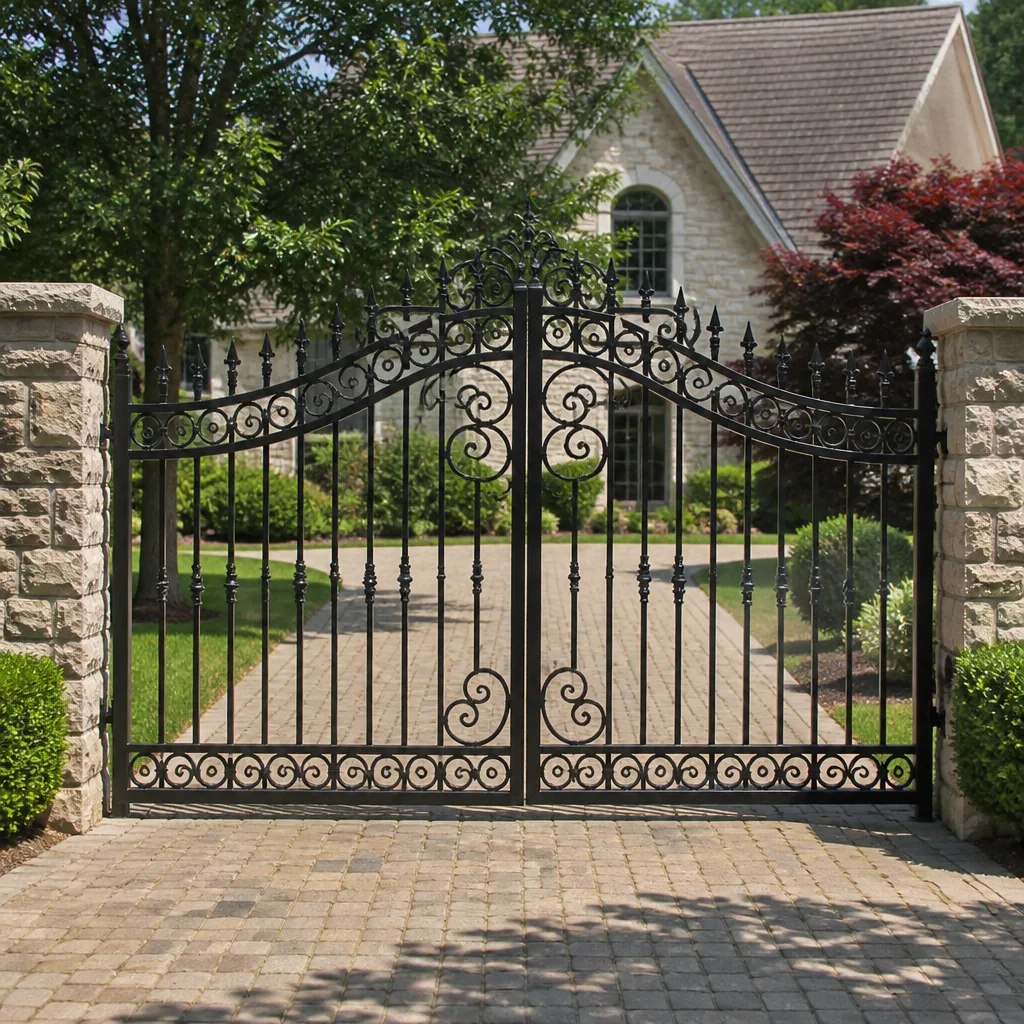 Wrought iron
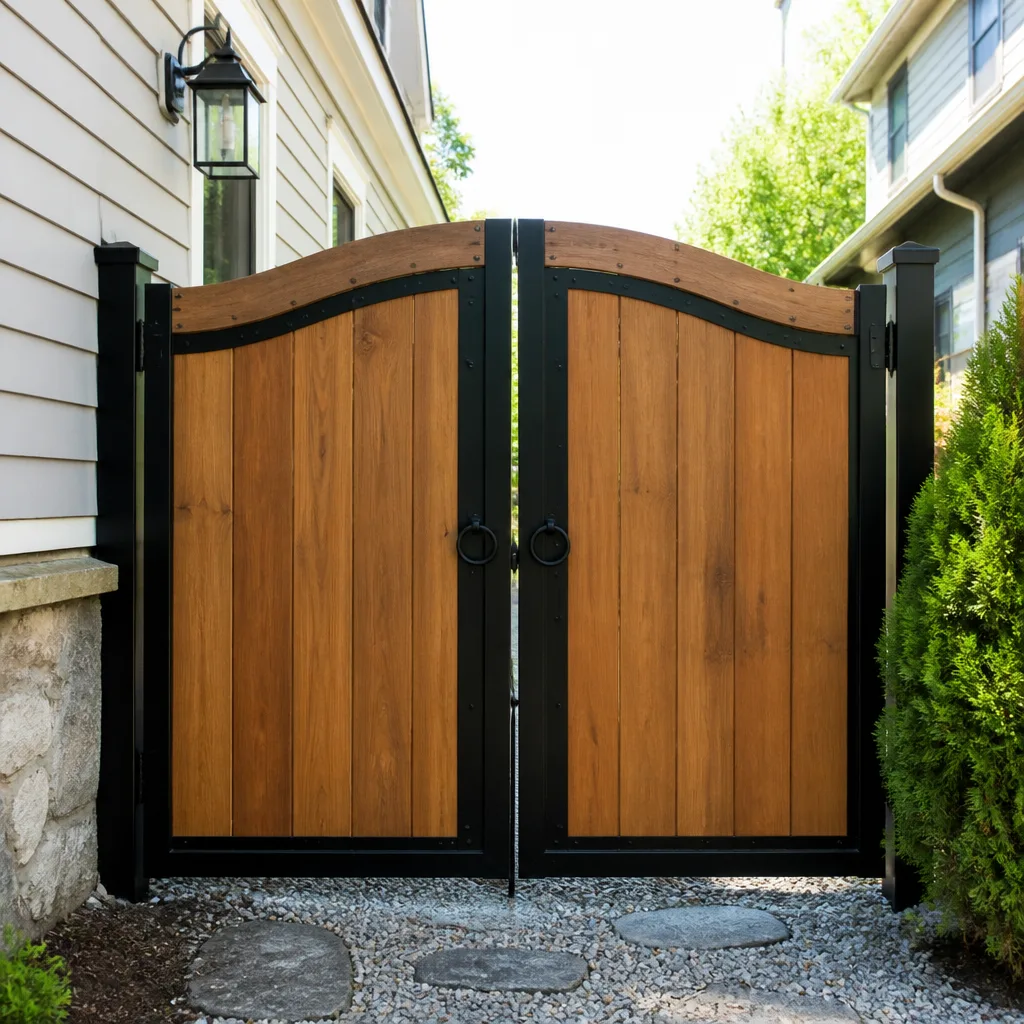 Wood & steel frame
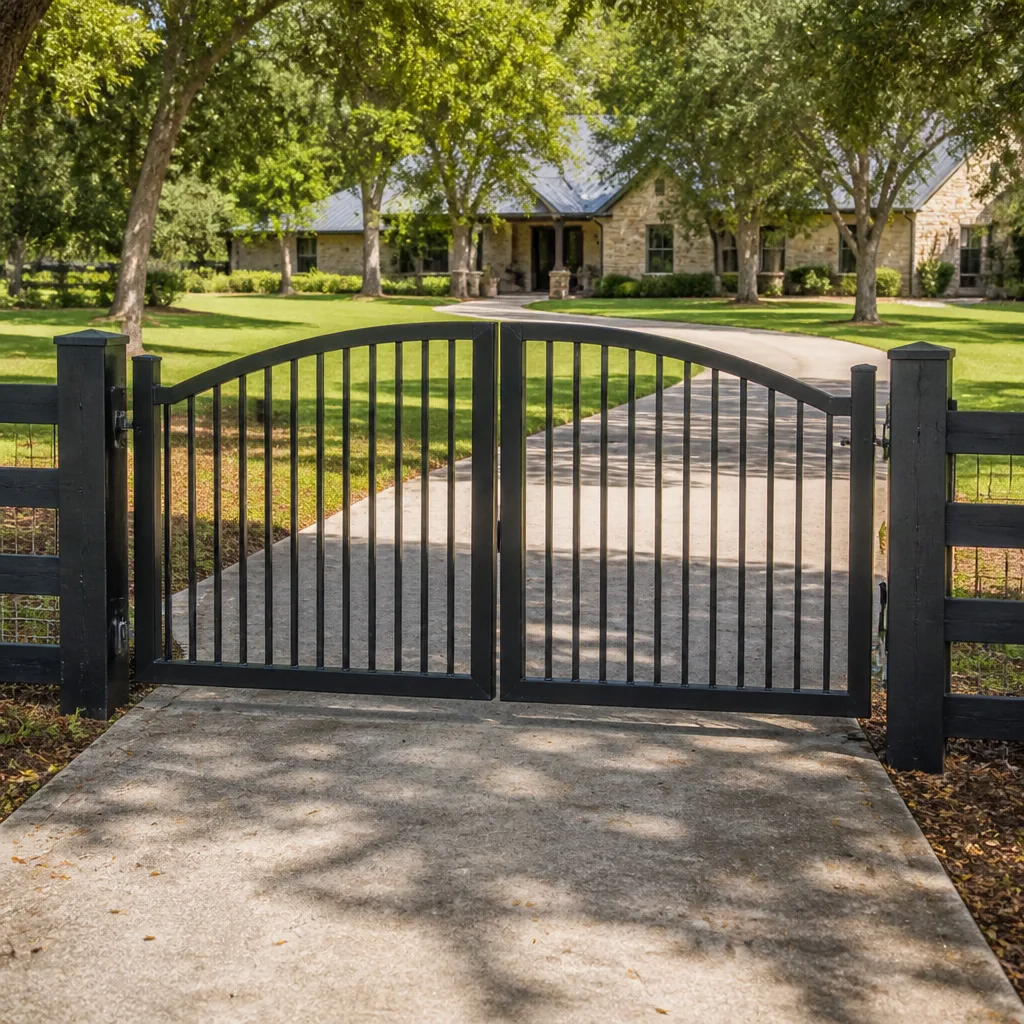 Farm & ranch
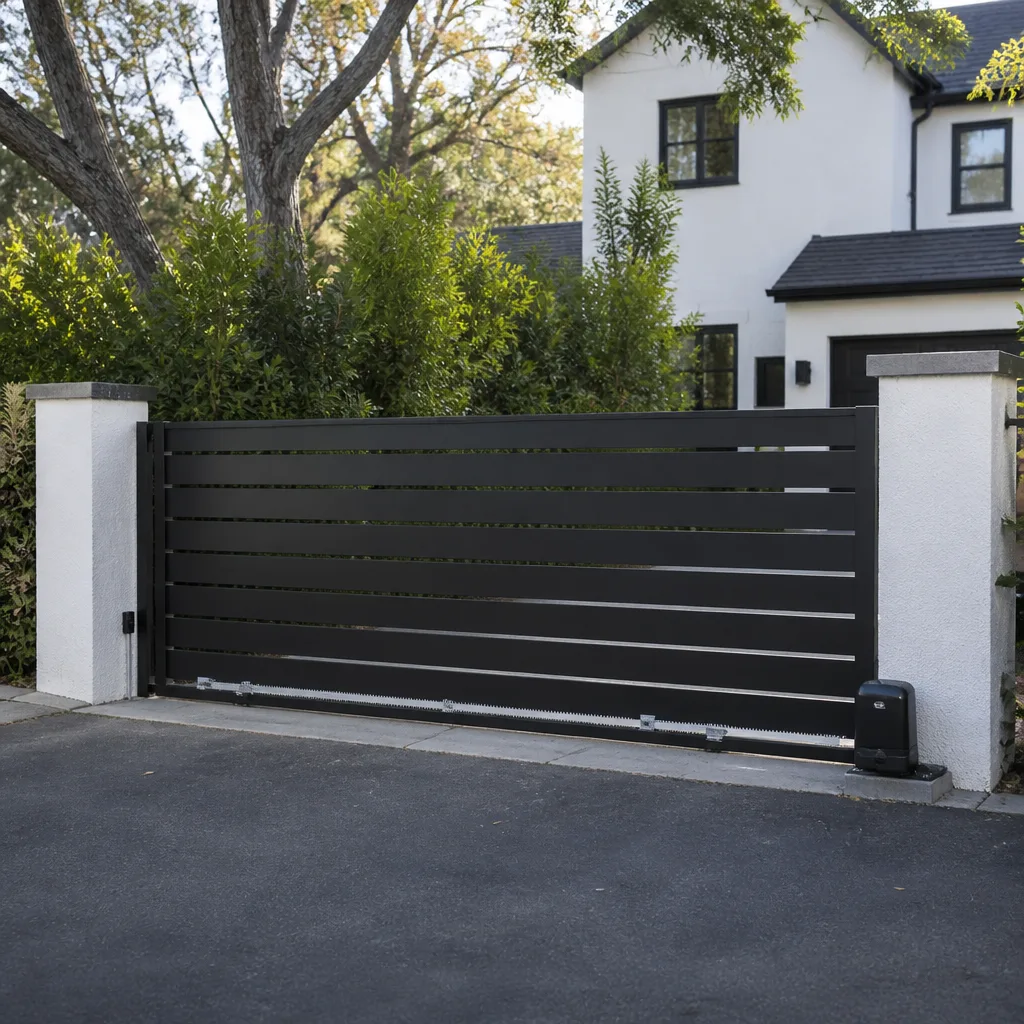 Sliding driveway gates
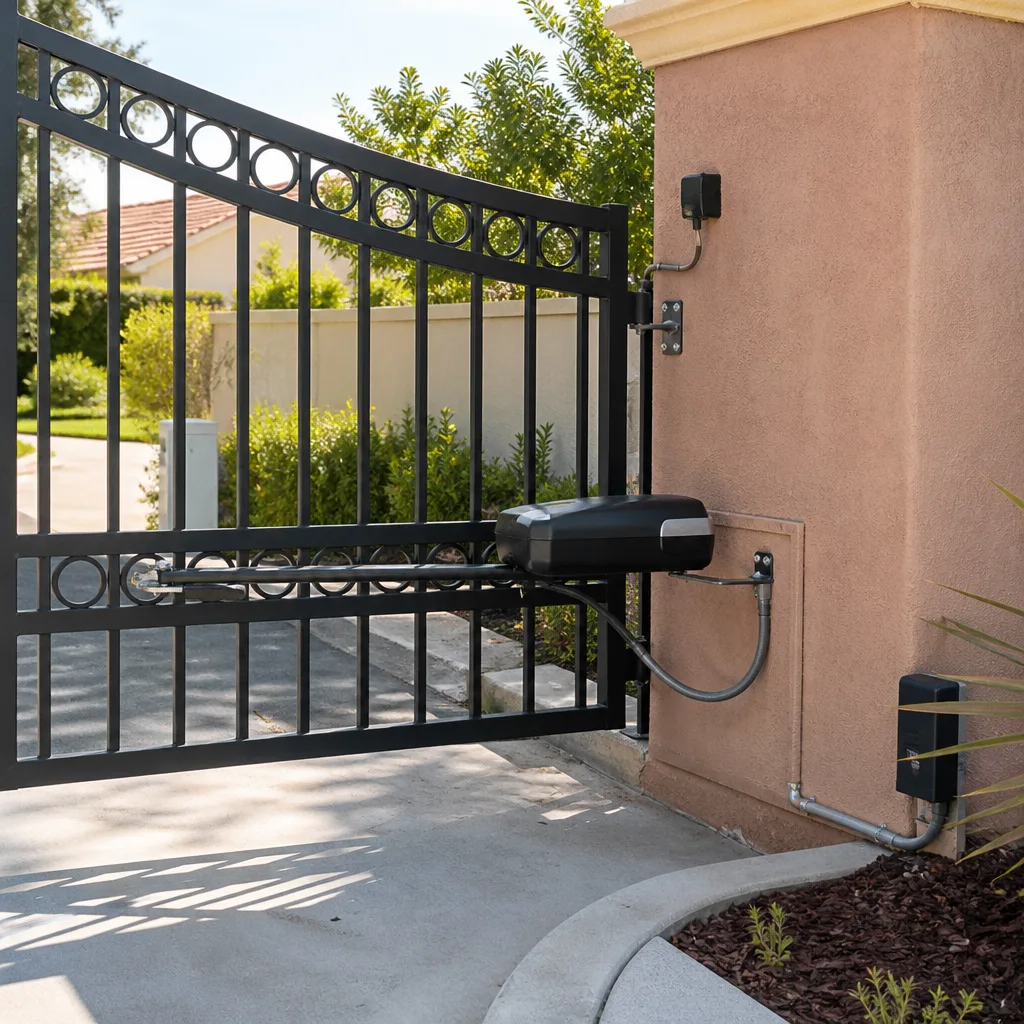 LiftMaster operators
Free on-site gate assessment - hinges, posts, and your LiftMaster or Nice gate operator checked before anything is quoted
The assessment is free and the quote is the invoice.
Get your free estimateGate Repair Warning Signs: An Arvada Homeowner’s Reference Guide
A gate that grinds loudly through every cycle is often less urgent than one that closes silently but takes three seconds longer than it used to. That quiet delay usually means the operator’s motor is drawing excess current, and in our experience it tends to precede total failure within two to four weeks. Loud sounds get attention; silent drift gets ignored until the gate stops mid-travel and blocks a driveway in Arvada on a Sunday morning. Warning signs only help if you know which ones mean “stop using the gate today” and which mean “book a repair this month.” This guide maps specific symptoms to the components that cause them and ranks each by urgency.
Quick Answer
Stop using the gate immediately if you see cracked welds, a slide gate that has left its track, exposed wiring at the operator, or a gate that reverses unpredictably on its own; these are safety hazards, not performance issues. Symptoms like slow travel, intermittent remote response, or a motor that hums louder than usual are performance problems worth scheduling within 30 days. A single odd cycle with no repeat is a monitoring item: write it down and watch for frequency.
Styles & brands we work with
- Wrought iron
- Wood & steel frame
- Farm & ranch
- Sliding driveway gates
- LiftMaster operators
Table of Contents
- The Symptom-to-Component Map: 12 Signs and What They Mean
- Urgency Triage: Stop Today, Schedule This Month, or Watch
- Electrical Symptoms Homeowners Misread as Mechanical (and Vice Versa)
- How to Log Gate Behavior Before the Technician Arrives
- Slide Gates vs. Swing Gates: Different Failure Signatures in Arvada
- What Arvada Weather Does to Gate Hardware
- Brand-Specific Warning Signs: Mighty Mule, LiftMaster, Elite, FAAC
- When a Warning Sign Means Repair, and When It Means Replace
The Symptom-to-Component Map: 12 Signs and What They Mean
Diagnosis starts with matching what you observe to what most likely failed. A symptom rarely points to one part in isolation, so each entry below includes the obvious cause and the second-order cause technicians check when the first proves healthy. This is how we approach any gate repair call in Arvada: isolate the component, then test everything upstream and downstream of it.
- Gate moves slower than it used to. Primary cause: motor drawing excess current from worn brushes or a failing capacitor. Second-order: binding in the hinges or rollers adding mechanical drag the motor must overcome.
- Motor hums but the gate doesn’t move. Primary: stripped drive gear or broken chain coupling. Second-order: operator in a manual-release state after someone pulled the emergency key.
- Gate reverses mid-travel for no reason. Primary: safety sensor or loop detector sending a false obstruction signal. Second-order: control board misreading the sensor input.
- Remote works only up close. Primary: failing receiver board or aging battery in the remote. Second-order: antenna wire damaged or disconnected at the operator housing.
- Gate stops at the same spot every time. Primary: limit switch out of adjustment. Second-order: bent track section or debris in the roller path causing a physical stop.
- Loud grinding during travel. Primary: worn rollers or track wear. Second-order: drive chain over-tensioned or missing lubrication.
- Gate sags at the free end. Primary: hinge wear or post settling. Second-order: frame fatigue at a weld joint, which is a structural problem rather than hardware.
- Operator clicks but nothing happens. Primary: control board relay failure. Second-order: low battery in a solar-charged system (common on Mighty Mule and Ghost Controls setups).
- Gate won’t stay closed. Primary: latch or strike misalignment. Second-order: operator closing limit set too early.
- Lights on the operator flicker or stay dark. Primary: power supply or transformer issue. Second-order: tripped breaker or a buried low-voltage run damaged by digging.
- Gate opens partway then stops dead. Primary: thermal overload in the motor cutting power. Second-order: control board overheating from a failing cooling path.
- Keypad or intercom dead but remotes work. Primary: access-control board or its power supply. Second-order: wiring fault in the low-voltage run to the keypad pedestal.
Notice the pattern: a third of these look mechanical but turn out electrical, and vice versa. That crossover is where general handymen decline the job and where electric gate repair becomes its own specialty.
Urgency Triage: Stop Today, Schedule This Month, or Watch
The severity of a symptom has nothing to do with how dramatic it looks or sounds. A gate that screams during travel may just need lubrication and a roller replacement; a gate that closes silently but unpredictably can crush or injure. Triage by consequence, not noise.
Stop using the gate today (safety hazard)
- Cracked or visibly bent welds anywhere on the frame or hinge plates.
- A slide gate that has jumped or left its track.
- Exposed conductors at the operator, keypad, or safety edge wiring.
- Gate reverses or reopens with no obstruction present, especially at closing.
- Safety edge or photo-eye that fails a manual obstruction test.
- Gate post visibly leaning or pulling out of the ground.
Schedule a repair within 30 days (performance issue)
- Slower travel than the gate’s normal.
- Remote working only within short range.
- Grinding, squealing, or rattling that repeats every cycle.
- Motor humming longer than usual before the gate moves.
- Gate stopping at a consistent mid-travel point.
- Keypad, intercom, or loop detector intermittently unresponsive.
Monitor for a month (watch item)
- A single unusual cycle that hasn’t repeated.
- A remote that missed once from far away.
- Fresh paint wear on a section that could indicate contact.
On any commercial property, treat every “stop today” item as an immediate call. In Arvada, HOA and multi-unit gates see far more cycles per day than a residential driveway gate, so a monitoring item on a home gate is often already a scheduling item on a commercial one.
Electrical Symptoms Homeowners Misread as Mechanical (and Vice Versa)
The single most useful diagnostic distinction is whether the failure lives in the operator and its wiring or in the gate’s structure and hardware. Misreading the category is what leads to replacing a working motor or, worse, ignoring a control board that’s about to fail closed.
Here’s the diagnostic step that separates them: run the gate with the operator disengaged and the gate in manual mode. If a disengaged gate rolls or swings smoothly by hand, the mechanical side is healthy and the fault is electrical. If a disengaged gate binds, drags, or wobbles, the fault is mechanical and you should stop running the operator until the hardware is corrected; a healthy motor pushing a binding gate will eventually fail too.
Electrical symptoms misread as mechanical
- Slow travel. Failing capacitor or motor brushes, not worn rollers.
- Gate stops at the same spot. Limit switch or control board, not a physical obstruction.
- Grinding that started suddenly. Drive gear stripped inside the operator, not track damage.
- Gate reversing on its own. Safety sensor or loop detector false-triggering.
Mechanical symptoms misread as electrical
- Motor hums without moving. Binding in hinges or rollers, adding load the motor can’t overcome.
- Remote works inconsistently. Actually a sagging gate putting the latch under load so the operator won’t complete a cycle.
- Gate opens but won’t close. Post settlement shifting the frame against the closing jamb.
- Operator trips repeatedly. A jammed roller creating repeated thermal protection events.
If the safety sensors or power wiring are in doubt, don’t troubleshoot live circuits yourself. Electrical work inside an operator housing carries real shock and shock-arc risk, and a misdiagnosed component can cause the gate to close on a person. Call a licensed technician. This is also the one place in your system where the parts span brands: a LiftMaster receiver and a FAAC control board need completely different diagnostic paths, which is why we work across nine named brands from the motor to the control board.
How to Log Gate Behavior Before the Technician Arrives
Two data points cut diagnostic time roughly in half: cycle count and symptom frequency. Both are easy to record and both tell a technician whether the failure is advancing slowly or has already crossed a threshold.
Cycle count
Count how many full open-close cycles the gate runs on an average day. A single-family driveway gate in Arvada might run 8 to 15 cycles daily. A commercial property gate at an HOA or apartment complex can run hundreds. That number determines whether a motor that’s “aging” is actually near its duty cycle ceiling or just mid-life for its class. If you have a LiftMaster or Elite operator with a cycle counter on the control board, record the reading; if not, estimate from your household’s pattern for one day and note it.
Symptom frequency
For every warning sign you notice, write down these five items:
- The symptom in plain words (“gate slows 3 seconds before reversing”).
- How many times it happened in a day, a week, and since you first noticed.
- Whether the trigger is consistent: every cycle, once a day, random, or only at certain times.
- Any environmental condition in play: rain, first thing in the morning, after heavy use, at night.
- What you already changed: a battery, a limiter, a sensor realignment.
Bring that log to the phone call and hand it to the technician when they arrive. On a Mighty Mule or Ghost Controls residential operator, the board may not store an error history, so your log is the only record of the failure pattern. On a commercial DoorKing or FAAC system, an error log may exist, but your notes about when the failure appears still matter for correlating board codes with what actually happened on-site.
Slide Gates vs. Swing Gates: Different Failure Signatures in Arvada
Arvada’s gate stock splits cleanly by property type: slide gates dominate commercial lots, HOA entries, and multi-unit properties, while swing gates dominate residential driveways. The two designs fail in completely different places, so the warning signs you should watch are different depending on which one you own.
Slide gate warning signs
- Rollers leaving the track. Worn wheels or debris in the track channel; treat as a safety item because a gate off its track can fall.
- Gate drifting sideways during travel. Guide roller wear or post alignment shifted by ground movement.
- Chain sagging or slapping. Chain tension loss; if ignored, the chain can jump the sprocket and stall the operator.
- Loop detector triggering when nothing is there. Buried loop wire damage from excavation, settling, or moisture intrusion.
- Slow final travel segment. Usually a control board ramp-down setting, but can indicate a binding roller at the limit end.
- Gate stopping just shy of fully open or fully closed. Magnetic limit switch drift, common on heavy-duty commercial operators.
Swing gate warning signs
- Hinge squeal or grind. Hinge wear; can progress to gate sag within weeks if not addressed.
- Gate sagging at the free end. Hinge or post movement.
- Slow response from the operator on opening. Motor current rise, often the earliest electrical sign on a residential arm operator.
- Reversing when the sun hits the photo-eye. Sensor misalignment or aging receiver, aggravated by direct low-angle sun.
- Operator arm binding. Worn arm bushings or a mount that has shifted.
- Latch failing to catch. Frame shift or hinge wear.
We see both daily across Arvada, from residential driveways to HOA and multi-unit entry gates that run commercial-grade operators like FAAC, BFT, and DoorKing. Residential or commercial, manual or automated, the diagnostic order is the same: identify the class of gate, then match the symptom to the most likely component and work outward.
What Arvada Weather Does to Gate Hardware
Gate hardware in Arvada lives through four distinct stress cycles each year, and most warning signs cluster at the transitions between them. Recognizing the seasonal patterns helps you separate normal wear from an early failure signal.
Freeze-thaw movement
Ground freeze and thaw shifts gate posts gradually over the winter and breaks the alignment that hinges, latches, and slide track rollers depend on. A gate that worked perfectly all fall and then binds in the spring is usually showing post movement, not operator failure. The fix is post realignment and hardware adjustment, not a new motor.
Spring wind and debris
Spring gusts push swing gates against their operators repeatedly and drive grit into slide gate track channels. The consistent result: rollers wear faster in spring and remote sensor photo-eyes catch more false triggers from airborne debris. Clear tracks regularly during spring, and test safety sensors weekly.
Summer heat and UV
Hot afternoons expand metal frames slightly, which is enough to change latch alignment on older swing gates. UV exposure ages the seals and gaskets around the operator housing, and that eventually lets moisture into the control board. If your operator runs fine in the cool morning and fails by mid-afternoon, heat expansion is one of the first explanations to check.
Fall rain and temperature inversion
Fall brings the first real moisture intrusion test of the year. Aging seals around keypads, intercom pedestals, and operator housings show up as intermittent electrical faults for the first few weeks after rain. If a keypad or loop detector fails only in wet weather, moisture is the cause.
One note on the local residential market specifically: a large share of Arvada homes already had swing gates installed when they were built, and many operators are now in their second decade of service. Older Mighty Mule and LiftMaster residential units respond to seasonal stress differently than newer ones, so your technician’s diagnosis should account for the operator’s age and duty cycle, not just the symptom.
Brand-Specific Warning Signs: Mighty Mule, LiftMaster, Elite, FAAC
Each operator family has its own characteristic failure path. Knowing what tends to go wrong first on your specific brand helps you watch for the right signs instead of every sign at once.
Mighty Mule
Residential Mighty Mule swing operators are the most common brand we work on for Arvada driveways. The most reliable early indicator is a slow-opening gate that briefly stalls and then travels at full speed. On a solar-charged Mighty Mule, that stall is often a low battery, not a failing motor; check the panel charge and the battery terminals before assuming the operator is going. The second most common complaint is a control board that clicks but doesn’t drive, which almost always points to a board relay, not the motor itself.
LiftMaster
LiftMaster residential and light-commercial operators give clear warnings if you pay attention. A receiver that works from 20 feet but not 60 usually means the receiver board is degrading rather than the remote; replace the remote battery first, then test at distance. A gate that stalls for a second at the closed position, then reverses, often indicates the closing limit is set just past the physical stop, and the operator is sensing the bind and backing off as designed. LiftMaster’s diagnostic beeps on the control board map directly to fault categories, which is why we log every code with the technician’s arrival notes.
Elite
Elite swing and slide operators are worth watching for thermal shutdown patterns. If a gate stops working after heavy use in the summer and recovers after a cool-down period, the motor is drawing more current than its duty cycle allows. That’s an operator-side issue and usually a motor or capacitor. Elite boards also tend to show intermittent loop or sensor faults before outright failure, so any “sometimes doesn’t close” symptom on an Elite is worth early attention.
FAAC
FAAC commercial-grade systems, common on Arvada HOA and multi-unit entries, tend to give warning signs at the access-control layer before the mechanical layer. An intercom or keypad that intermittently fails to release the gate, while remotes and loops still work, points to the access-control board or its power supply, not the operator. On FAAC arms and slide operators, the limiting factor is usually cycle count: a commercial gate that runs hundreds of cycles a day will show motor heat and control board errors before the mechanics show wear. If your FAAC system is logging faults, capture the fault codes; they’re diagnostic gold.
We work across nine named brands, from Mighty Mule and Ghost Controls at the residential end to FAAC, BFT, and DoorKing at the commercial end. The cross-brand diagnostic ability matters here: a mechanical bind looks the same on any brand, but the electrical signature that confirms it changes from board to board.
When a Warning Sign Means Repair, and When It Means Replace
The instinct when an operator finally fails is to replace the whole system. In our experience, most gates that produce a warning sign don’t need replacement; they need the specific failed component replaced. The decision comes down to which category the failure falls into.
Repair is almost always the right call for
- A single component failure: capacitor, limit switch, receiver board, roller set, hinge.
- Board or sensor issues on an otherwise healthy motor.
- Post, track, and hinge alignment problems.
- Loop detector or keypad wiring faults.
- Safety sensor misalignment or aging receivers.
Replacement begins to make sense when
- The motor has failed and the operator is well past its expected duty cycle for the class.
- Multiple boards or motor assemblies have failed in a short window.
- The operator model is discontinued and replacement parts are hard to source.
- The gate frame itself has structural fatigue at multiple welds.
- You want added capabilities the current operator doesn’t support.
Repair first is our default: find the precise failure, replace only what failed, and put the gate back into service. If replacement does become the answer, moving from repair to a new installation without changing vendors matters; the same technician who diagnosed the old system is the one who knows the gate’s structure and can spec an operator that fits it. That’s the value of a single provider handling repair and installation under one scope.
Common Mistakes to Avoid
- Replacing the motor without confirming the mechanical side is healthy. A binding hinge or roller can make a healthy motor fail immediately. Run the gate manually first to rule out the frame before paying for a motor you didn’t need.
- Treating a reversing gate as a nuisance instead of a hazard. A gate that reopens on its own without obstruction is a serious safety issue. Stop using the gate until a technician checks the sensors and control board.
- Adjusting limit switches to “fix” slow travel. Limit switches set where the gate stops; they don’t set how fast it travels. A slow gate with a “fixed” limiter is almost always masking a failing motor that will fail completely within weeks.
- Ignoring a kinked or damaged loop detector. Loop detector wiring cuts through the pavement with a buried, invisible run. Symptoms like “the gate sometimes doesn’t open for a car” that appear after nearby excavation usually trace back to that loop, not the operator.
- Assuming an Arvada freeze-thaw bind is an operator problem. Spring resistance in a swing gate is usually post movement, not a worn motor. Check that the gate swings freely by hand before assuming the operator failed.
- Leaving solar-charged operators without a winter battery check. Residential solar gates in Arvada lose charge capacity in cold months, and a low-battery stall reads exactly like a motor failure. Test the battery before replacing the board.
- Skipping the safety sensor test because the gate “works fine.” A photo-eye can fail silently, and the gate will still open and close. Test the safety edge manually once a month; a gate that doesn’t stop on an obstruction is a call-today item.
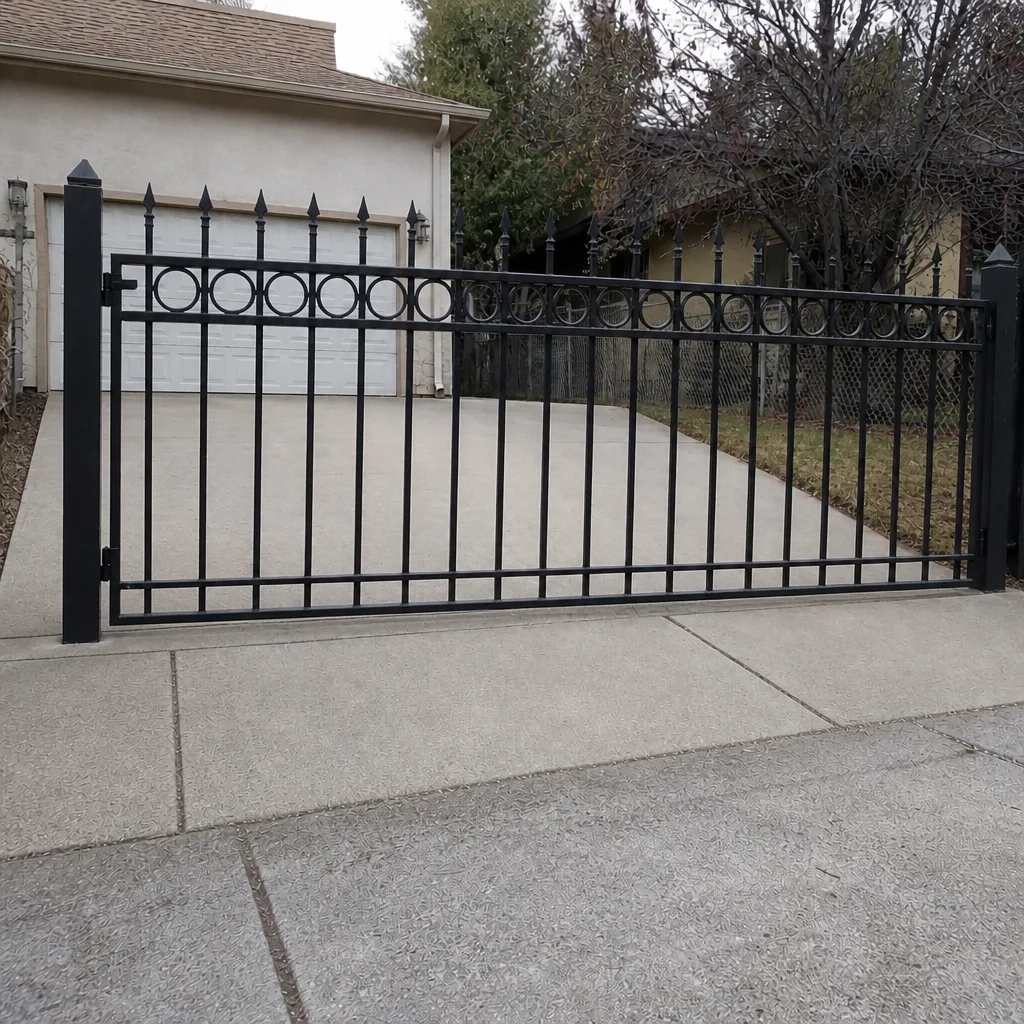
See the difference
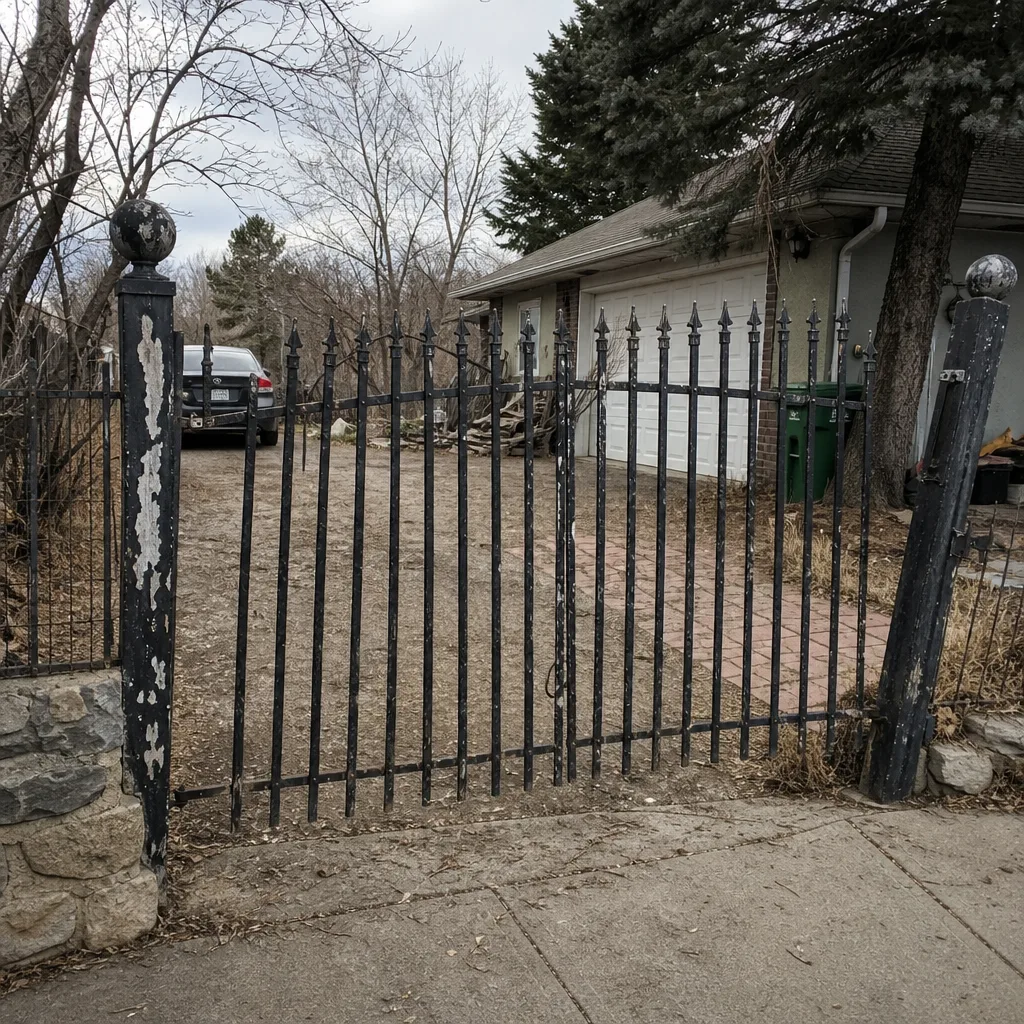 Before
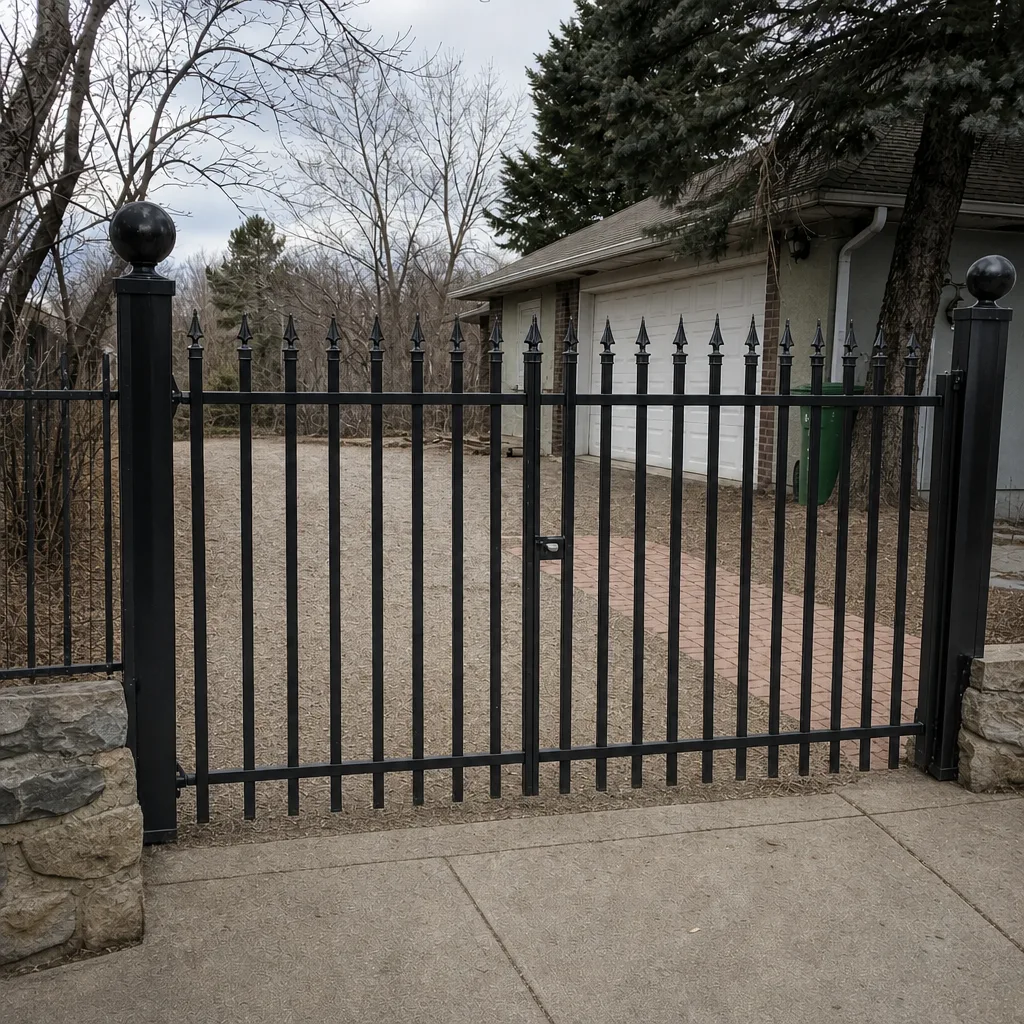 After
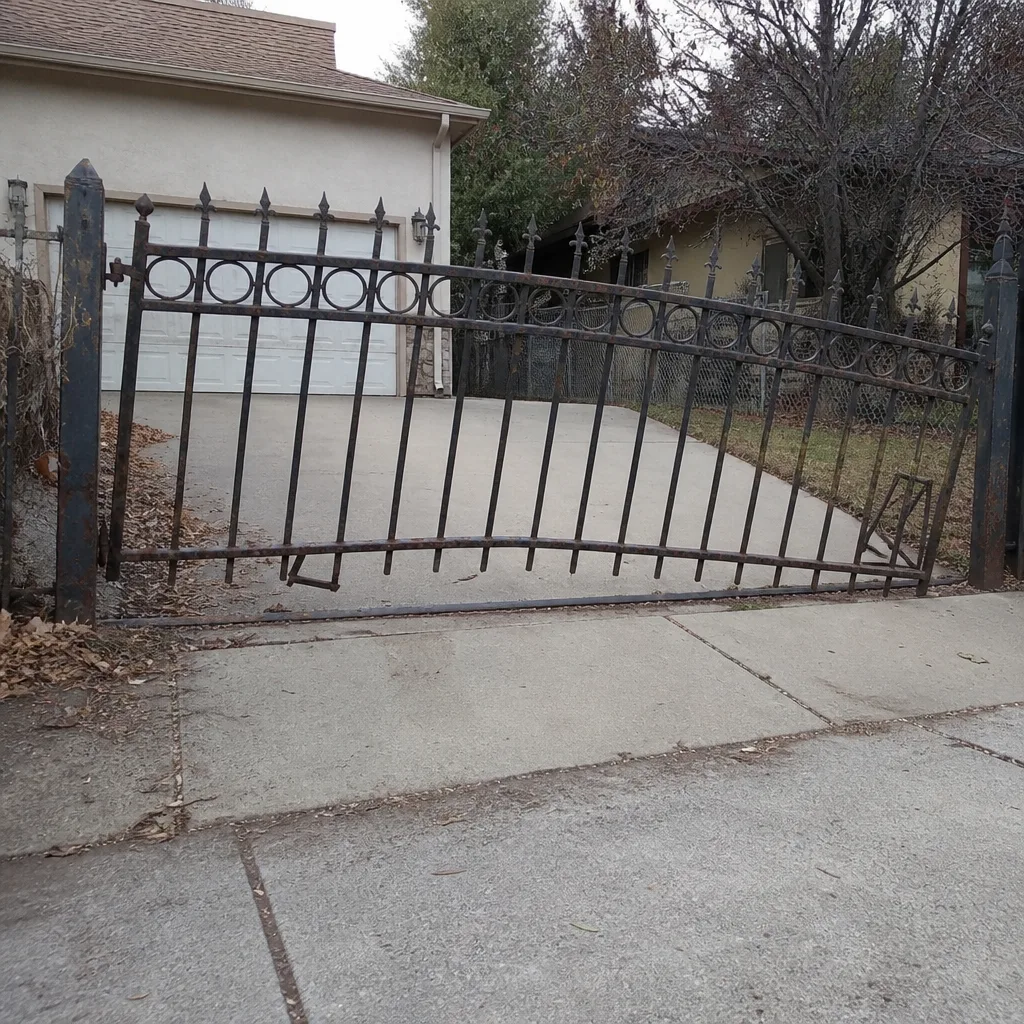 Before
 After
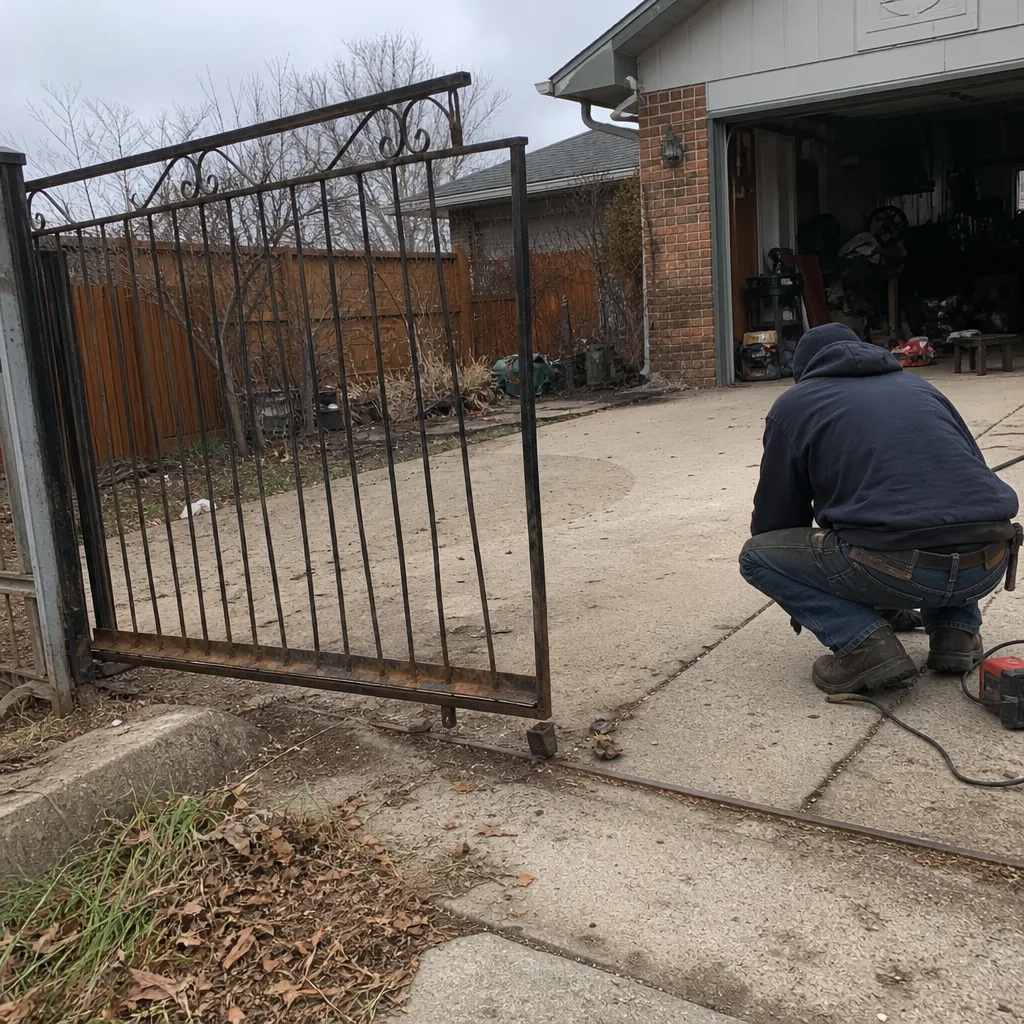 Before
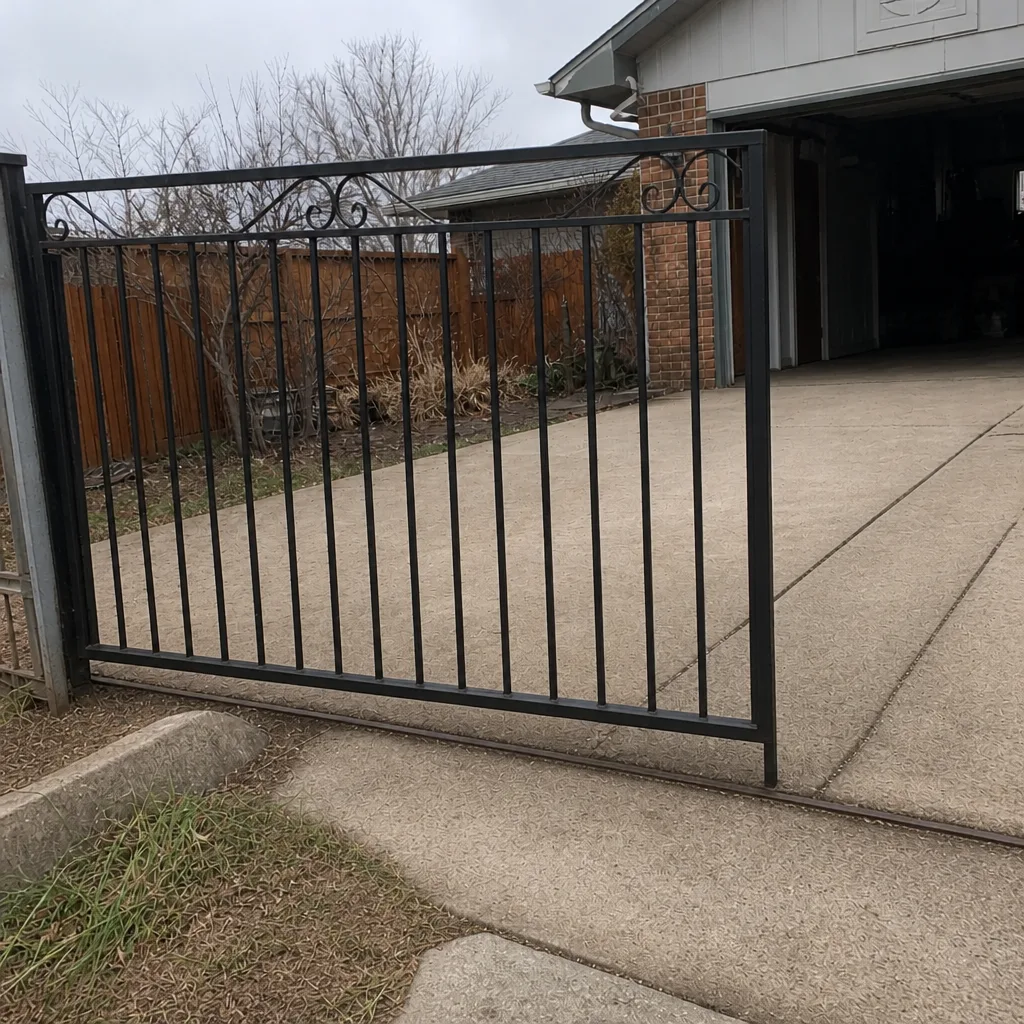 After
When to Call a Professional
Call a professional the moment any “stop today” symptom appears, without waiting to see if it repeats: exposed wiring, cracked welds, a slide gate off its track, a reversing gate, or a post pulling loose from the ground. Call promptly for the performance signs, too, especially slow travel, remote range loss, and repeated stalling at the same travel point; catching these early is often the difference between a board replacement and a motor replacement. If you’ve never had the safety edge tested and can’t verify it stops on an obstruction, that alone warrants a visit. Gate Repair Arvada offers free estimates in Arvada, and our technicians have up to experience across residential and commercial systems. Call (844) 761-1390. We answer 24/7, and fast dispatch runs from 7am to 7pm, Sunday through Friday.
Frequently Asked Questions
A slower gate travel than normal is the earliest and most reliable sign of a failing motor. It means the motor is drawing more current than it should to complete the same cycle. Watch for a gate that takes a noticeable extra second or two to open or close, even if it never stalls. That’s the point at which a repair is quick and inexpensive, and also the point most homeowners miss because the change is gradual. Call (844) 761-1390 for an exact diagnosis; estimates are free.
A gate that reverses on its own with nothing obstructing it is a safety hazard, not a performance issue. It means the safety sensor or the control board is signaling an obstruction that doesn’t exist, and it can reopen at the exact moment a child or pet is in the path. Stop using the gate until a technician checks it. Call (844) 761-1390 for an exact quote.
Sometimes, but not always. Grinding that’s steady, mechanical, and tied to specific positions in the travel usually means worn rollers, track wear, or a stripped gear inside the operator. Lubrication can quiet a healthy gate that has dried out, but it won’t fix a worn roller or a stripped gear and can mask the symptom long enough for the part to fail completely. Call (844) 761-1390 for an exact diagnosis; estimates are free.
Disengage the operator and move the gate by hand in manual mode. If it moves smoothly across its full travel, the mechanical side is healthy and the fault is electrical; if it binds, drags, or wobbles, it’s mechanical and the operator should stay out of service until the structure is corrected. This single test resolves most ambiguity. Call (844) 761-1390 for an exact quote.
Usually the motor is still healthy and the problem is in the control board or the battery. A clicking control board with no motion points to a relay on the board or a low battery on a solar system; a failing motor typically hums and stalls rather than clicking cleanly. Don’t replace the motor before the board has been tested. Call (844) 761-1390 for an exact diagnosis; estimates are free.
Commercial slide gates in Arvada typically warn through loop detector failures, magnetic limit drift, and control board faults before the mechanical side shows problems. Watch for gates that “sometimes don’t open” for a specific approach direction, keypads or intercoms that fail to release the gate while remotes still work, and any change in cycle speed on a heavy-use FAAC, BFT, or DoorKing system. Log every error code with the time it occurred. Call (844) 761-1390 for an exact quote; estimates are free.
The Bottom Line
Gate warning signs only help if you rank them correctly. The loud ones are often the least urgent; the quiet ones, like slow travel or a remote that works from 20 feet instead of 60, often point to failures that will strand the gate within weeks. Triage by consequence, not by sound. Run the manual test to separate electrical from mechanical. Log cycle count and symptom frequency for your technician. And when any “stop today” sign appears, don’t wait it out. Every Gate Repair Arvada is handled the same way: find the precise failure, fix only what failed, and get the gate back into service without guesswork.
Call (844) 761-1390 for a free estimate. We answer 24/7. Fast dispatch, 7am-7pm, Sunday through Friday. Closed Saturday. Crews work Sunday through Friday.
Written by the team at Gate Repair Arvada.