
Last updated November 15, 2026
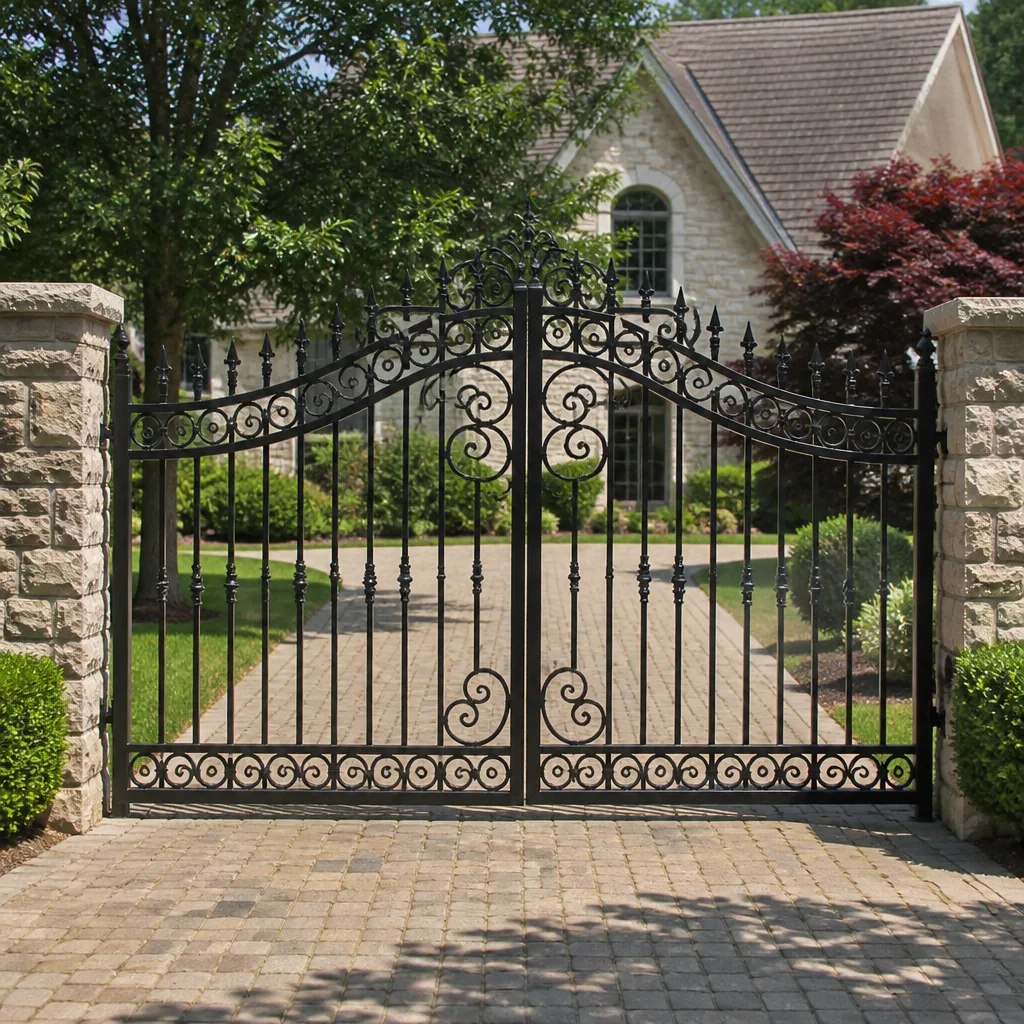 Wrought iron
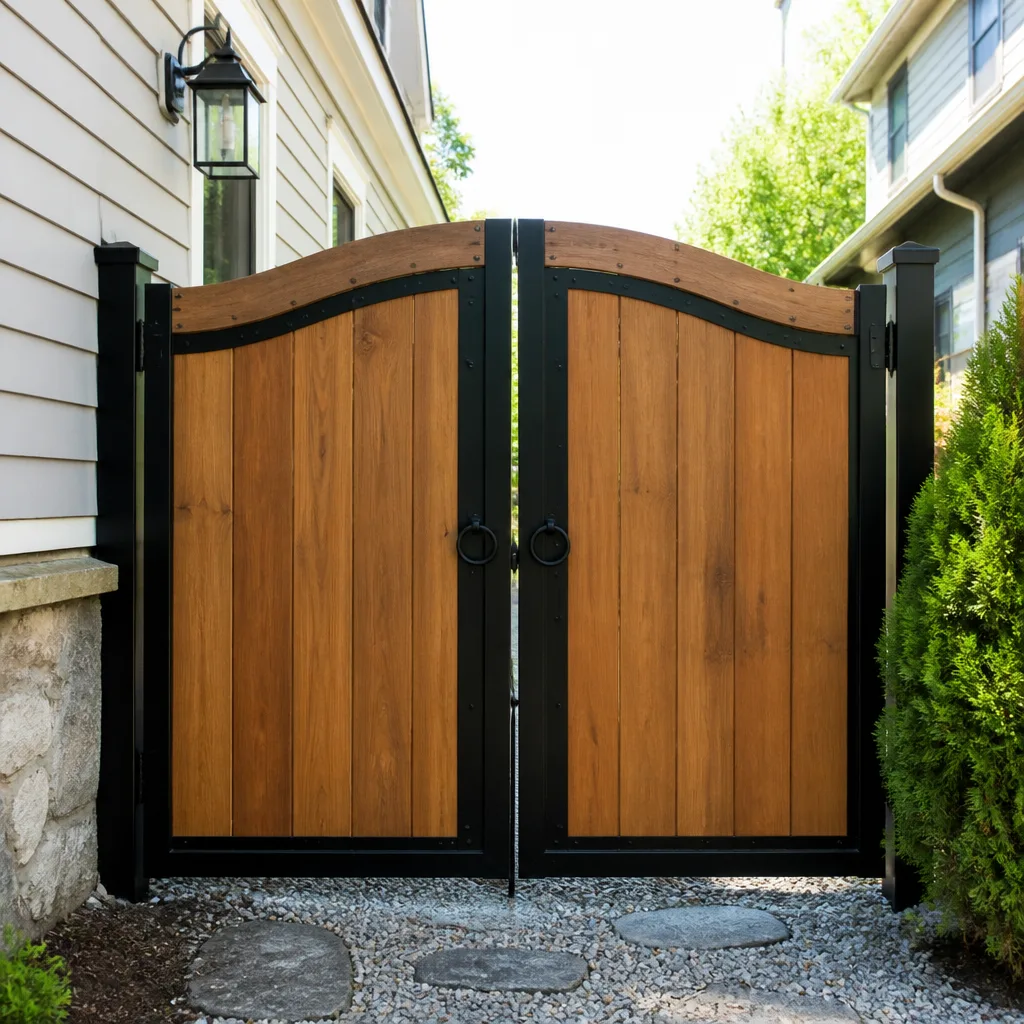 Wood & steel frame
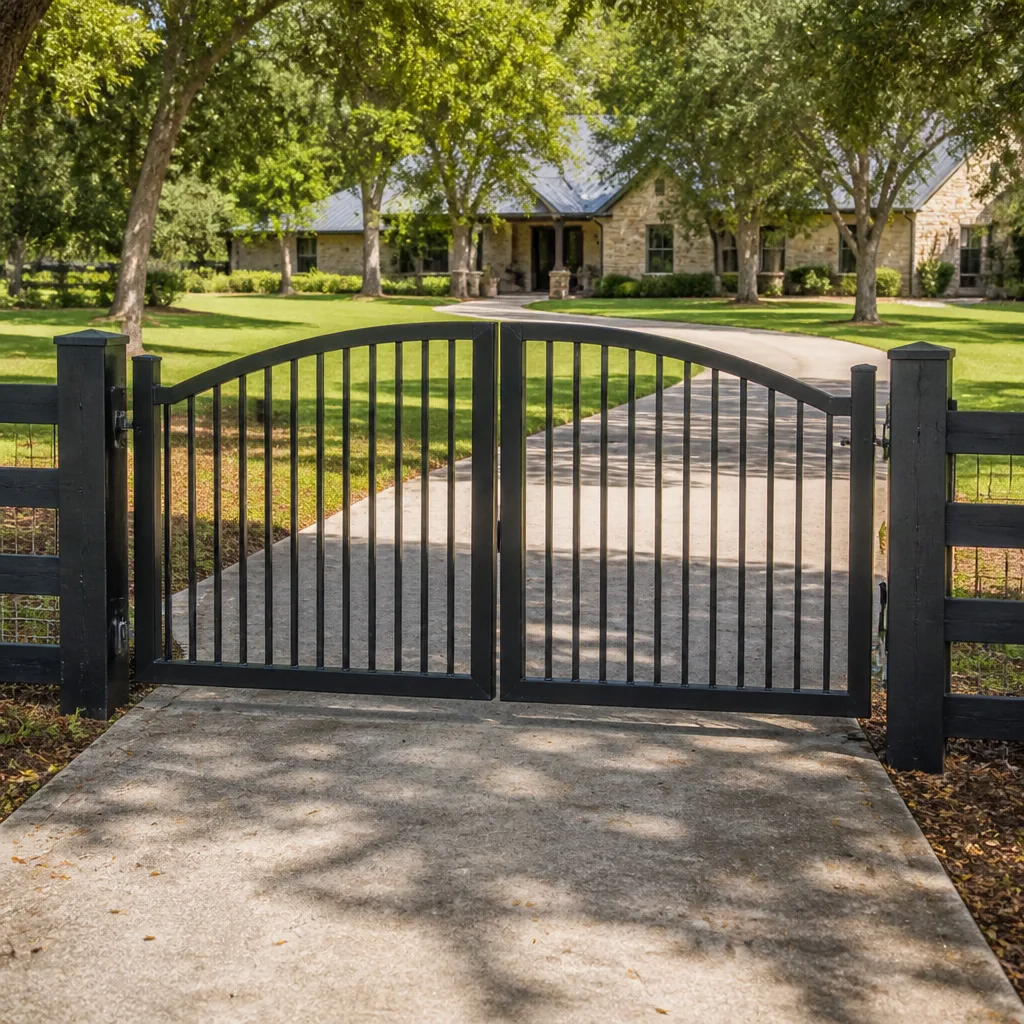 Farm & ranch
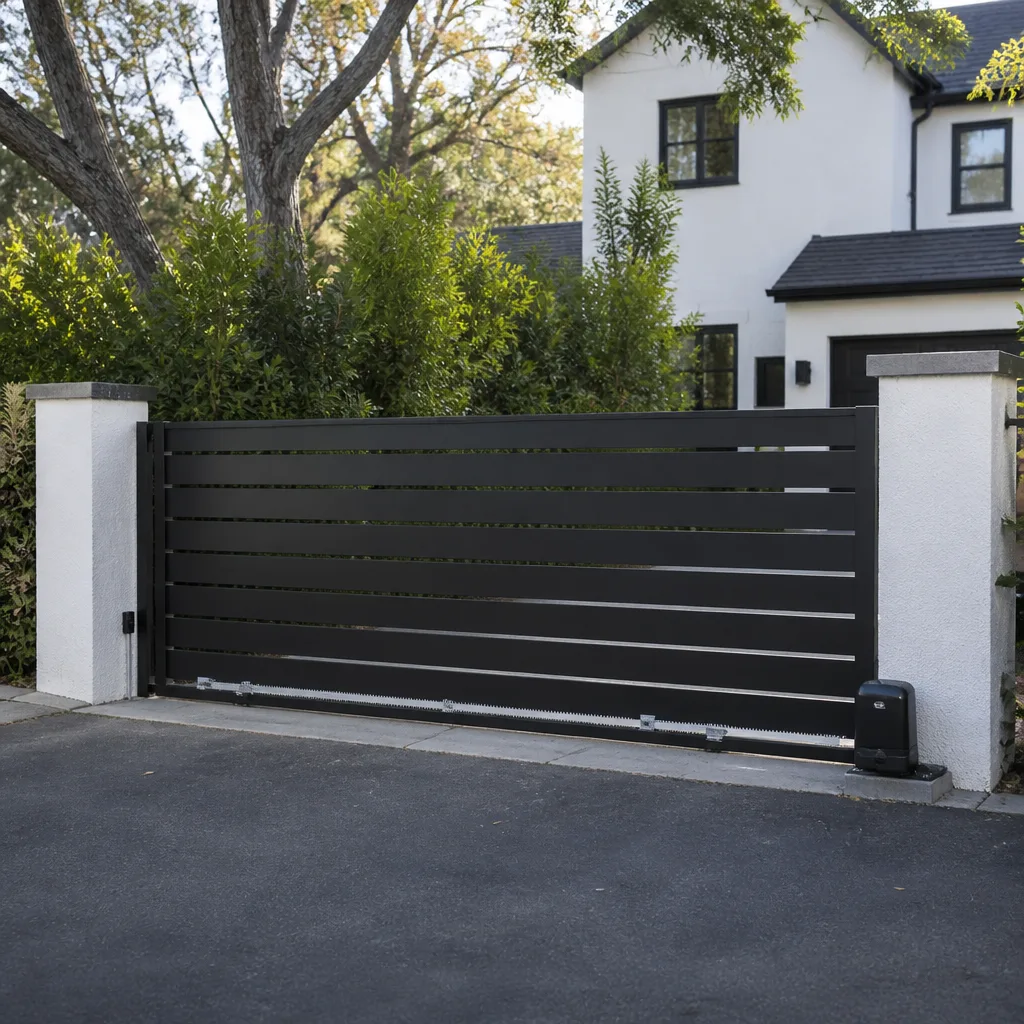 Sliding driveway gates
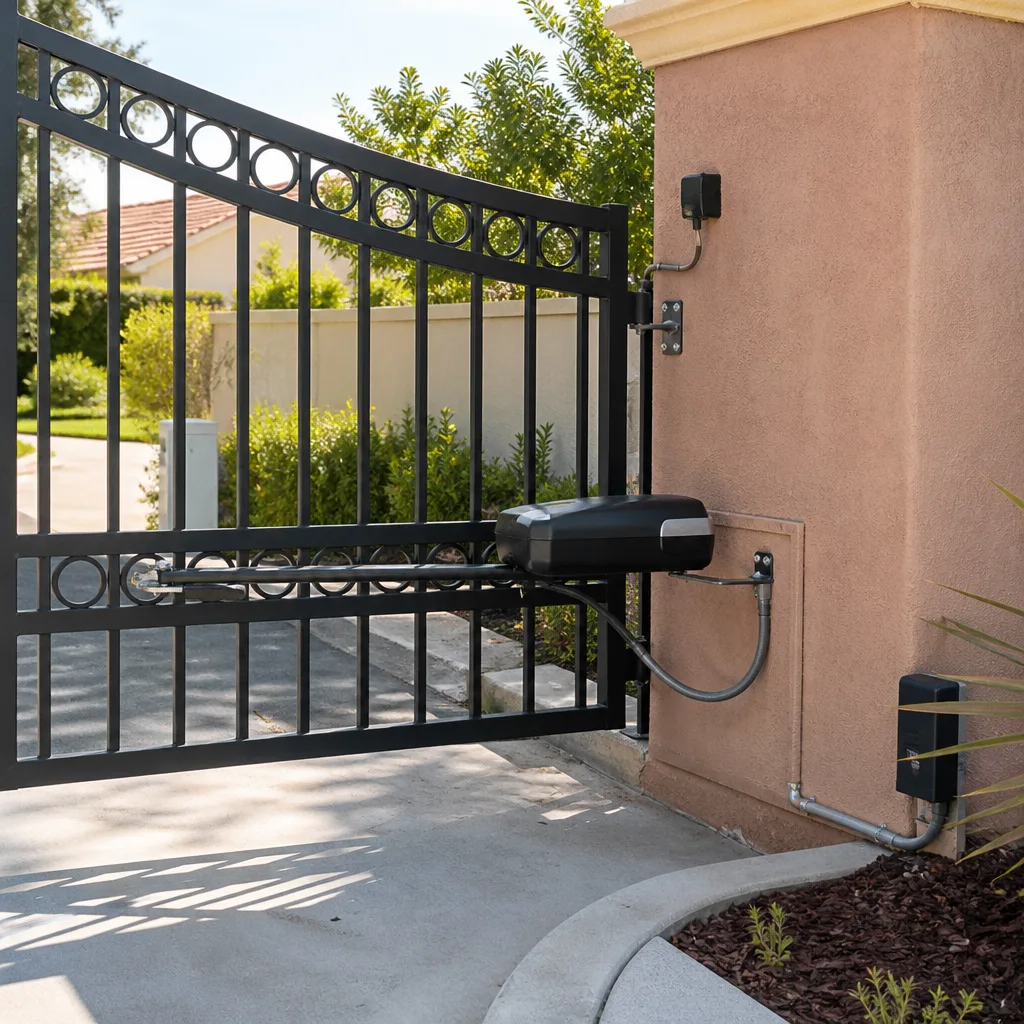 LiftMaster operators
Free on-site gate assessment - hinges, posts, and your LiftMaster or Nice gate operator checked before anything is quoted
The assessment is free and the quote is the invoice.
Get your free estimateThe Complete Guide to Gate Repair in Arvada
Most people assume a gate that won’t close is a motor on its way out. In our experience, a large share of the automated gate problems we diagnose in Arvada trace back to a safety sensor knocked slightly out of alignment, a control board that took a power surge, or a hinge that’s worn past its tolerance. The motor is often the last thing to fail, not the first. That distinction matters because it’s the difference between a small component fix and a motor replacement. This guide walks through the six root causes behind nearly every gate failure, how Arvada’s clay soil plays a role, what’s specific to brands like LiftMaster, Viking, FAAC, and Mighty Mule, and how to check a repair quote against the part that actually failed.
Quick Answer
Gate repair in Arvada usually comes down to diagnosing which of six root causes is behind the failure: safety sensor misalignment, control board or power fault, operator motor wear, hinge and hardware fatigue, post lean from soil movement, or track and roller problems on a slide gate. Identifying the right cause before any parts are ordered is what separates a small fix from an unnecessary motor replacement. A free on-site estimate confirms the failed component and sets the price in writing before work starts. Call (844) 761-1390 to book one.
Styles & brands we work with
- Wrought iron
- Wood & steel frame
- Farm & ranch
- Sliding driveway gates
- LiftMaster operators
Table of Contents
- The Six Root Causes Behind Almost Every Gate Failure
- How to Tell the Failure Types Apart Before You Call
- Why Arvada’s Clay Soil Causes Post Lean and Misalignment
- Brand-Specific Failure Patterns: LiftMaster, Viking, FAAC, and Mighty Mule
- Repair or Replace? The Thresholds That Actually Decide It
- Electric Gate Repair: Motors, Control Boards, and Safety Sensors
- How to Read a Gate Repair Quote
- Common Mistakes to Avoid
The Six Root Causes Behind Almost Every Gate Failure
Nearly every gate problem we look at fits into one of six categories. Knowing which one you’re dealing with is the whole game. A gate that reverses before it closes is very often a sensor alignment issue that takes minutes to correct, while the same symptom on a different system points to a failing control board. Treating every hesitation as a motor problem leads to expensive misdiagnoses.
Here’s the breakdown we work from on every gate repair call:
- Safety sensor misalignment. Photo-eyes fall out of line when a post shifts, a bracket loosens, or debris blocks the beam. The gate reverses as a safety default. This is among the most common and least expensive fixes.
- Control board or power fault. Surges, moisture, and age degrade boards and cause erratic behavior, dead remotes, or a gate that won’t respond at all. Board-level diagnosis is where a generalist usually stops.
- Operator motor wear. Brushes, gearboxes, and drive assemblies wear over time. Symptoms include sluggish movement, grinding, and overheating on repeated cycles.
- Hinge and hardware fatigue. Worn hinges let a swing gate sag, which throws off alignment and strains the operator. Hardware replacement often restores smooth operation.
- Post lean and footing movement. A post that has shifted out of plumb drags the whole gate out of alignment. In Arvada this ties directly to the soil.
- Track and roller problems on slide gates. Debris, worn rollers, and bent track cause binding, jerking, and the gate jumping the track entirely.
Each of these maps to a different repair scope and a different price. Naming the cause correctly is the first step toward a fix that holds. If you’re not sure which category fits, that’s exactly what a free estimate is for.
How to Tell the Failure Types Apart Before You Call
You don’t need to fix anything yourself to give a technician a useful description, and you should never open a control panel or reach into an operator, because the wiring and stored energy in an automated gate can injure you. What you can do is observe. The symptom a gate shows usually points to whether the problem is mechanical, electrical, or in the control system, and that helps us come prepared.
Here’s how we read the common symptoms:
- Gate reverses or stops mid-travel: usually the safety sensors or their wiring, not the motor.
- Remote or keypad won’t work but the gate runs from the inside button: points to the receiver, keypad, or access-control board.
- Motor hums but the gate doesn’t move: mechanical binding, a worn drive assembly, or a slipping clutch.
- Gate moves slowly or overheats: motor wear or a control board sending the wrong signal.
- Gate sags and drags at one end: hinge wear or a leaning post.
- Slide gate jerks or comes off the track: rollers, track alignment, or debris.
- Nothing happens at all: power supply, board fuse, or a tripped safety circuit.
For hands-on work on the operator, wiring, or heavy panels, a trained professional should take over. Heavy swing and slide panels can crush, and the electrical side carries real risk. The value of your observations is in pointing the diagnosis in the right direction, not in attempting the repair.
Why Arvada’s Clay Soil Causes Post Lean and Misalignment
Arvada sits on soil that holds a lot of clay, and clay behaves very differently from sandy or gravelly ground. It swells when it’s wet and shrinks as it dries, and that seasonal movement is hard on anything set in the ground. A gate post that was perfectly plumb at installation can lean a fraction of an inch over a season or two, and a fraction of an inch at the base becomes a visible misalignment at the top of the gate.
That movement causes problems that people in other cities don’t see as often:
- Sensor misalignment. The photo-eyes are mounted on posts, so when a post shifts, the beam goes out of line and the gate starts reversing.
- Hinge and latch strain. A leaning post pulls the gate out of square, which loads the hinges and the latch unevenly.
- Operator strain. When the gate no longer sits true, the operator fights the geometry on every cycle, which shortens motor life.
- Footing problems. Posts set to proper footing depth handle this better than shallow ones, but even a good footing can shift as the soil moves.
What this means for repair scope is important. When a gate in Arvada is binding or reversing, we check the posts and footings before assuming the operator is at fault, because a new motor bolted onto a leaning post will just fail the same way. Some jobs need post correction or re-setting along with the component fix, and some don’t. Getting that right the first time is why local soil knowledge matters. If a footing issue is severe, the fix sometimes leans toward a fresh installation rather than chasing alignment forever.
Brand-Specific Failure Patterns: LiftMaster, Viking, FAAC, and Mighty Mule
A repair guide that treats every gate brand identically will mislead you, because the failure patterns differ. We work across nine gate brands, from residential-grade systems to heavy-duty commercial operators, and we know where each one tends to break first. That cross-brand fluency is what lets us check whether a failure lives in the operator, the access-control board, the safety sensors, or the mechanical structure instead of defaulting to one guess.
Some patterns worth knowing:
- LiftMaster: widely used on residential swing and slide gates, and sensor and receiver issues are common failure points. Control board faults tied to power surges also show up regularly.
- Viking: a strong choice for heavier residential and light-commercial gates, where motor and gearbox wear on high-cycle gates is the usual concern.
- FAAC: a commercial-grade hydraulic and electromechanical platform, and hydraulic failures behave very differently from mechanical ones, so diagnosis has to separate the two.
- Mighty Mule: an entry-level residential line where control boards and battery or solar power issues are frequent, and where the fix is often a board or power component rather than the motor.
That last point is why brand familiarity saves money. A Mighty Mule that won’t open is a very different investigation than a FAAC hydraulic operator that’s lost pressure, and an access-control problem on an electric gate repair visit on a commercial property like DoorKing draws on yet another set of skills. When a technician doesn’t know the platform, the default is often “replace the operator.” When they do, the fix is more likely to land on the actual failed part.
Repair or Replace? The Thresholds That Actually Decide It
Vague advice like “replace it when it’s old” doesn’t help anyone. In practice, the decision comes down to a few measurable thresholds, and whether the failure is isolated or structural. When the failed component is a single part and the rest of the system is sound, repair almost always wins. When several systems are failing at once, or the structure is compromised, replacement often costs less over the next few years than chasing one repair after another.
Here’s how we frame it:
- Single component failure, solid structure: repair. A sensor, hinge set, control board, or motor can usually be replaced on its own.
- Hardware wear past tolerance: if the hinges are worn badly enough that the gate sags and won’t stay in alignment even after adjustment, plan on hardware replacement. If the frame itself is warped beyond what adjustment can correct, that pushes toward replacement.
- Post and footing integrity: a post that can be re-set or corrected keeps the gate in service. Footing damage that can’t be reliably corrected is a strong signal to replace.
- Repeated failures: when the same system keeps failing after repair, the underlying cause is usually structural, and replacement becomes the better value.
- Operator at the end of its service life: a motor that’s overheating and losing power alongside board faults is often past the point of economical repair.
We go in repair first, because fixing the exact failure is usually the least expensive path and keeps a working gate out of the landfill. But we’ll tell you plainly when replacement is the better call, and a free estimate gives you the measured answer rather than a guess.
Electric Gate Repair: Motors, Control Boards, and Safety Sensors
Electric gate repair is a specialty, not a side service. The electrical and control side of an automated gate is where general handymen usually stop, because it takes component-level knowledge of motors, circuit boards, control panels, loop detectors, and safety sensors. When a gate acts up, the question is which of those parts is actually failing, and that takes someone who diagnoses the system rather than guessing.
The components we work through on an electric gate:
- Motors and drive assemblies: the part that does the work, and the one most often blamed for problems that start elsewhere.
- Control boards and panels: the brain of the system, sensitive to surges and moisture, and a frequent culprit behind erratic behavior.
- Safety sensors and edges: the parts that tell the gate to reverse, and the source of most “it won’t close” complaints.
- Loop detectors and access control: vehicle loops, keypads, and entry systems common on commercial properties and multi-unit sites.
Because we handle both residential-grade and commercial-grade platforms, we can serve a single-family home and an HOA or apartment complex with the same fluency. The work is often a small part swap once we’ve isolated the failure, and that’s the point of a proper diagnosis: it keeps the repair scoped to the part that failed. A keypad that won’t read doesn’t mean the motor is bad, and a sensor that reverses the gate doesn’t mean the board needs replacing.
How to Read a Gate Repair Quote
A repair quote is only as good as the diagnosis behind it. The most common problem we see is a quote that bundles parts without saying which one actually failed. A line-item list is fine, but it should trace back to the component the technician identified as the cause, or you’re paying for guesses. Before you approve anything, ask what failed, how they confirmed it, and whether the price is set per job by a written estimate you see before work starts.
What a solid quote includes:
- The specific failed component. Not “operator service,” but “safety sensor realigned and bracket tightened” or “control board replaced.”
- Any contributing cause. If a leaning post caused the sensor misalignment, the quote should say whether post correction is included.
- The parts and the labor, set in writing. The written estimate sets the final price, quoted and agreed before any work starts.
- The scope of what’s tested after the fix. A qualified technician runs the gate through full cycles to confirm the repair holds.
If a quote leads with “full motor replacement” on a gate that’s reversing or hesitating, ask why. That symptom points first at the sensors, and a technician who skips that step is guessing. A free estimate from a specialist who diagnoses the actual failure is the best way to check a quote, and that’s the standard we hold ourselves to.
Common Mistakes to Avoid
- Assuming a reversing gate needs a new motor. In our experience, sensor misalignment is a far more common cause than motor failure, and treating it as a motor job wastes money.
- Ignoring the posts in Arvada. The clay soil shifts seasonally, so a gate that keeps going out of adjustment often has a post problem behind it, not an operator problem.
- Accepting a bundle quote without a diagnosis. A quote that lists several parts without naming the failed one is a sign the diagnosis was never done.
- Patching a hydraulic fault as if it were mechanical. On a commercial-grade platform like FAAC, hydraulic and mechanical failures look similar but need very different repairs.
- Letting a generalist open the control panel. Board work and wiring on an automated gate carry real risk and need someone trained in electric gate repair.
- Replacing the operator without checking the geometry. A new motor on a gate that’s out of alignment or dragging will wear out early, so the structure needs to be checked first.
- Skipping the walk-test after a repair. Any fix should be confirmed with full open and close cycles, including the safety reversal, before the job counts as done.
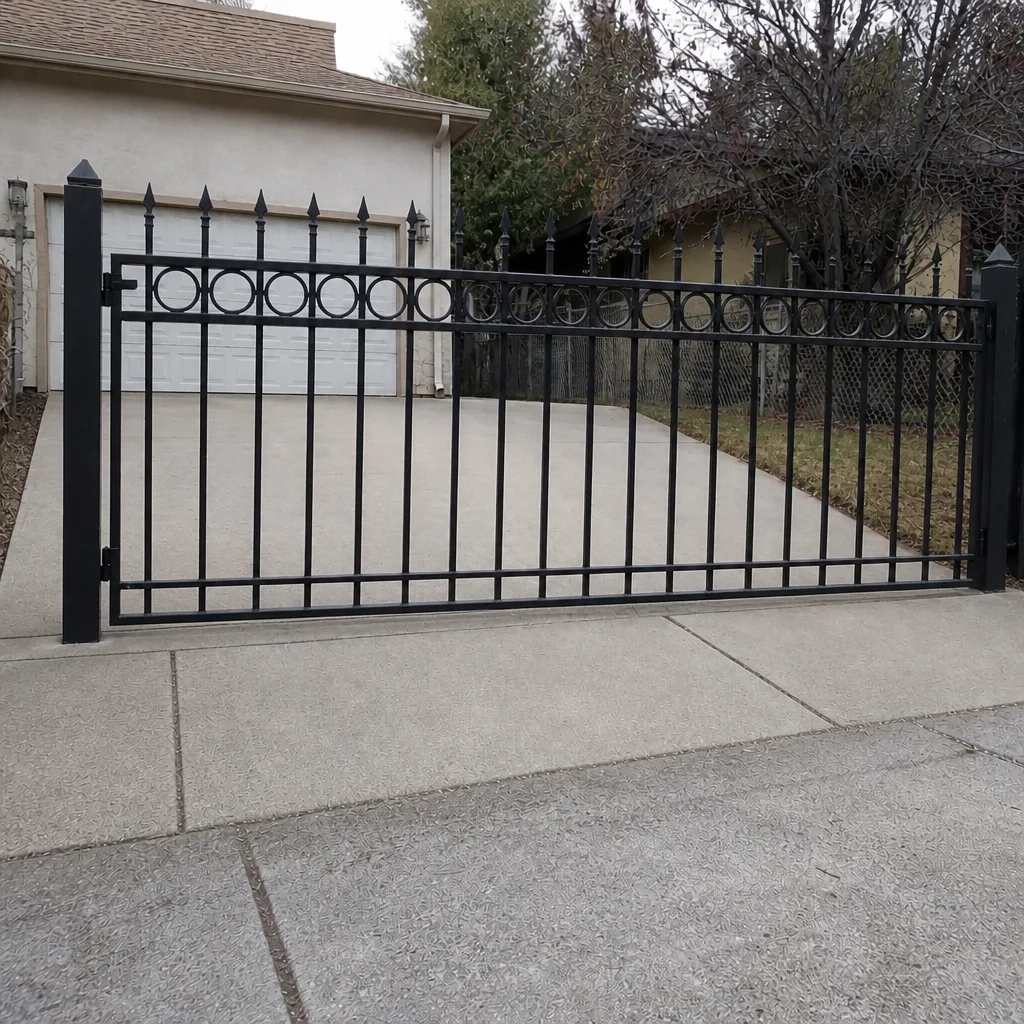
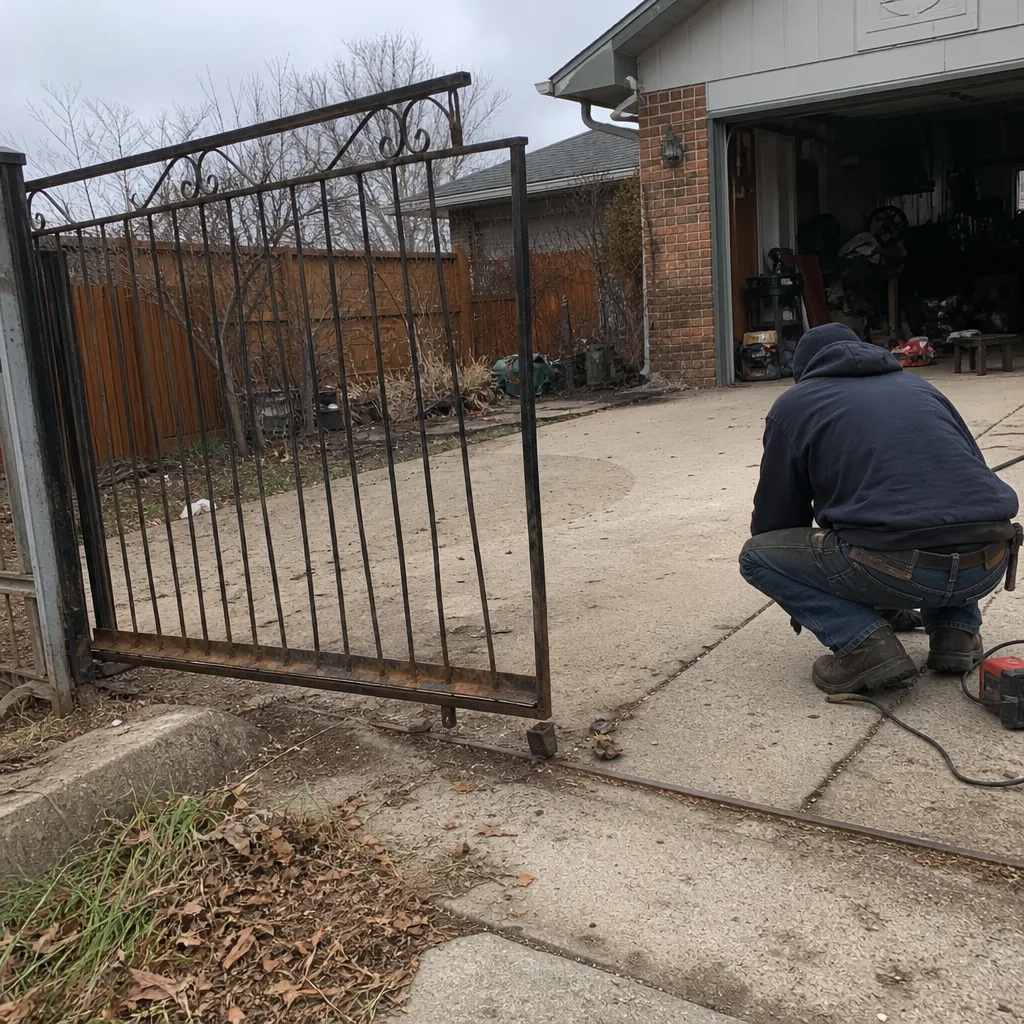
See the difference
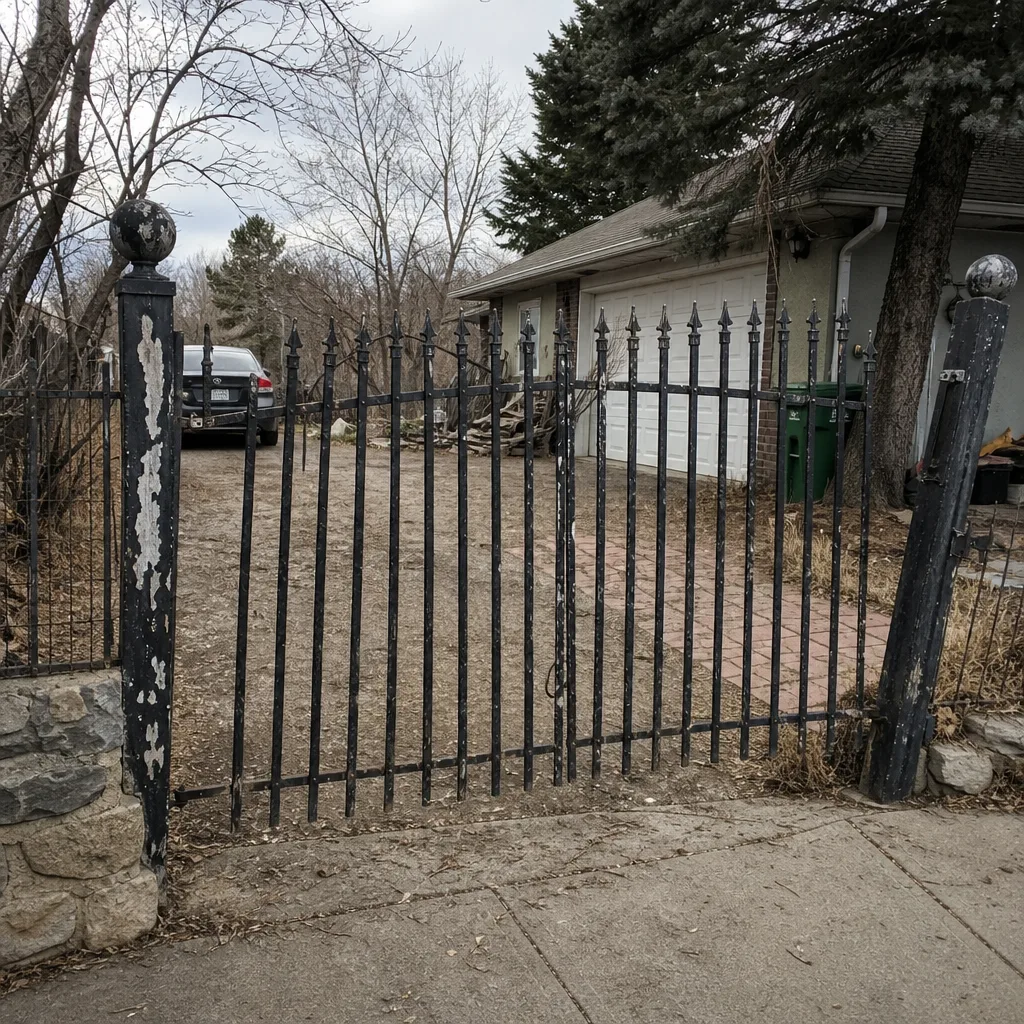 Before
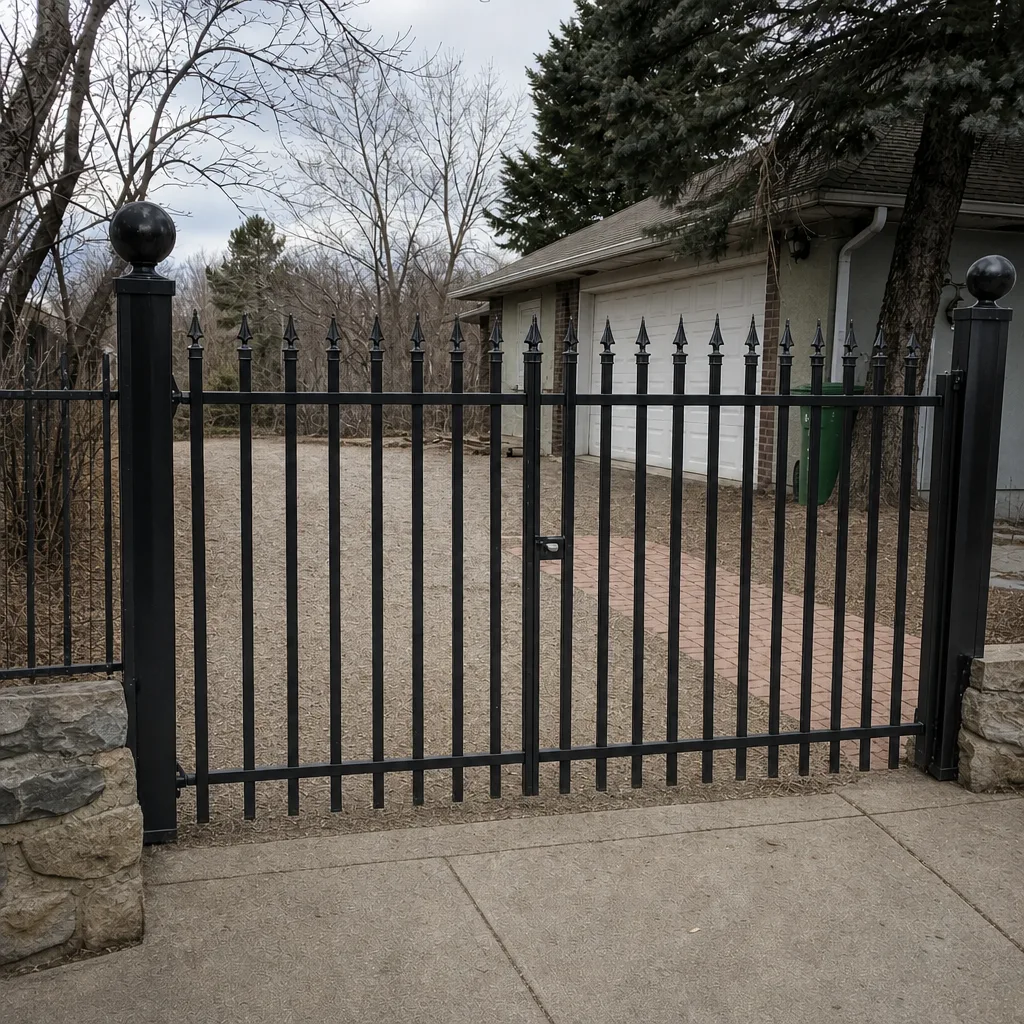 After
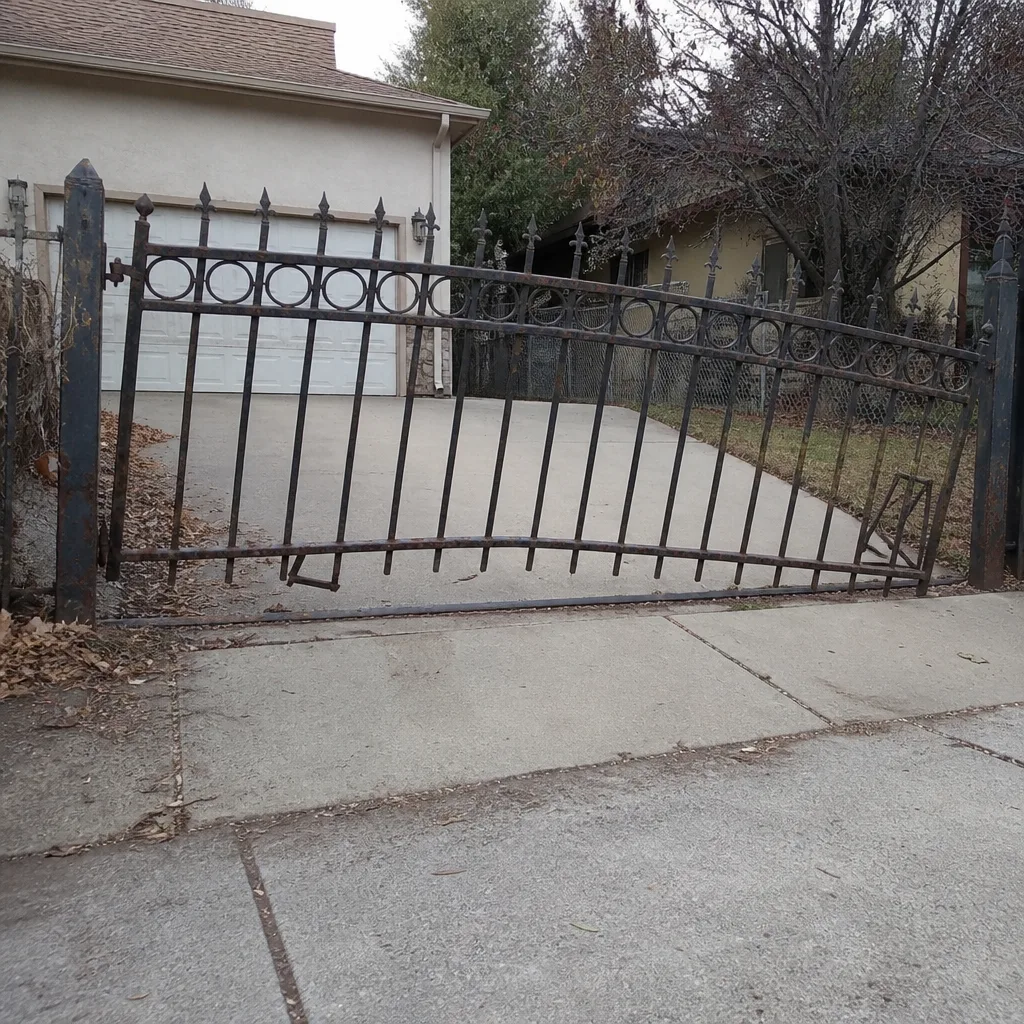 Before
 After
 Before
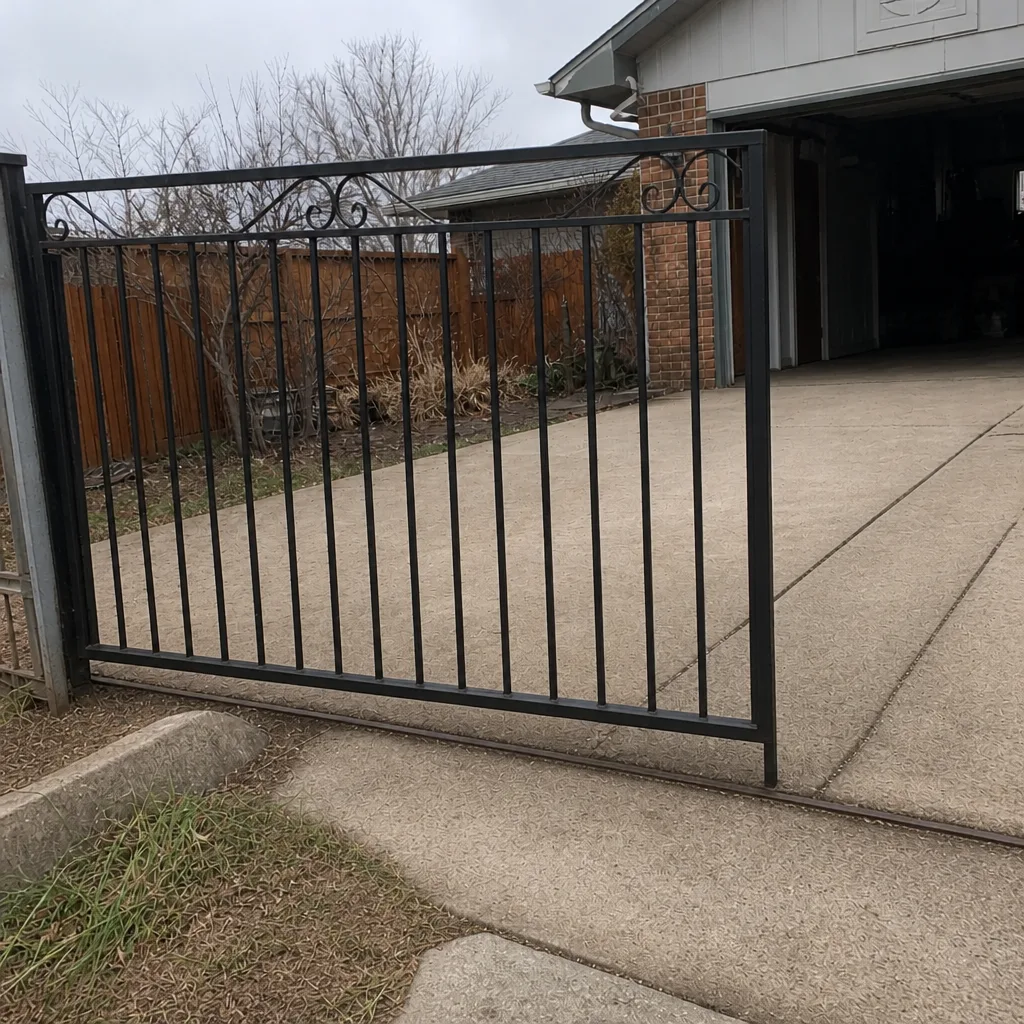 After
When to Call a Professional
Call a professional whenever the problem touches the operator, the wiring, the control board, or a heavy panel that could crush, and don’t attempt those repairs yourself. For a gate that reverses, won’t close, or won’t respond, a specialist can diagnose the actual cause rather than guess. If your gate has shifted out of alignment, if a post looks like it has moved, or if a brand-specific system like a Viking or DoorKing operator is acting up, that’s our kind of work. Gate Repair Arvada offers free estimates in Arvada. Call (844) 761-1390 and we’ll confirm the failed component and set the price in writing before anything starts.
Frequently Asked Questions
Gate repair costs in Arvada depend on which component failed and whether the structure is involved, and pricing is set per job with a free written estimate after an on-site diagnosis. A sensor realignment and a motor replacement sit at very different points, so the estimate comes after we’ve identified the cause. Call (844) 761-1390 for an exact quote. Estimates are free.
A gate that reverses before closing is most often a misaligned safety sensor, not a failing motor. The photo-eyes are mounted on posts, and in Arvada’s clay soil a small post shift can throw the beam out of line. We check alignment first before looking at the operator. Call (844) 761-1390 and we’ll take a look.
We work on your brand across nine gate brands, from residential-grade systems like Mighty Mule and Ghost Controls to commercial-grade platforms like FAAC, BFT, DoorKing, and Viking, along with LiftMaster, Linear, and Elite. That range means we can diagnose the operator, control board, safety sensor, or structure directly. Call (844) 761-1390 to book a free estimate.
Don’t attempt repairs on the operator, wiring, control board, or heavy panels yourself; those carry real risk of injury. A free on-site estimate will identify the actual failure, whether it’s a sensor, a board, or the motor. Call (844) 761-1390 and we’ll find the cause.
Listen for grinding or jerking, watch for a gate that reverses, drags, sags, or won’t respond to the remote, and have it checked. A slide gate that jerks or a swing gate that sags at one end usually points to hardware, track, or post movement rather than the motor. Call (844) 761-1390 to book a free estimate.
Yes. Every gate repair Arvada job covers both mechanical and electric systems, and electric gate repair is a core specialty, not an add-on. We work on motors, control boards, panels, loop detectors, and safety sensors rather than stopping at the mechanical side. Call (844) 761-1390 to get started.
The Bottom Line
The single biggest thing to take from this guide is that gate failures have causes, and the cause decides the fix. A reversing gate is usually a sensor, not a motor. In Arvada, posts and footings deserve the first look because the clay soil moves, and a motor bolted onto a leaning post fails the same way again. Different brands break differently, so the diagnosis has to match the platform. And a repair quote should point to the failed component, with the price set in writing before work starts. Get that right, and you avoid paying for a misdiagnosis. A free estimate and a specialist’s diagnosis is the way to know.
Living in Arvada means working with a gate specialist who matches the diagnosis to the exact part that failed, whether it’s a residential operator or a commercial control board. Gate Repair Arvada handles gate repair, electric gate repair, and gate installation, from emergency fixes through a permanent new installation, so you don’t need a second vendor as needs change. Call (844) 761-1390 for a free written estimate and a clear answer on what failed and what it takes to fix it right.
Written by the team at Gate Repair Arvada.