
Last updated November 15, 2026
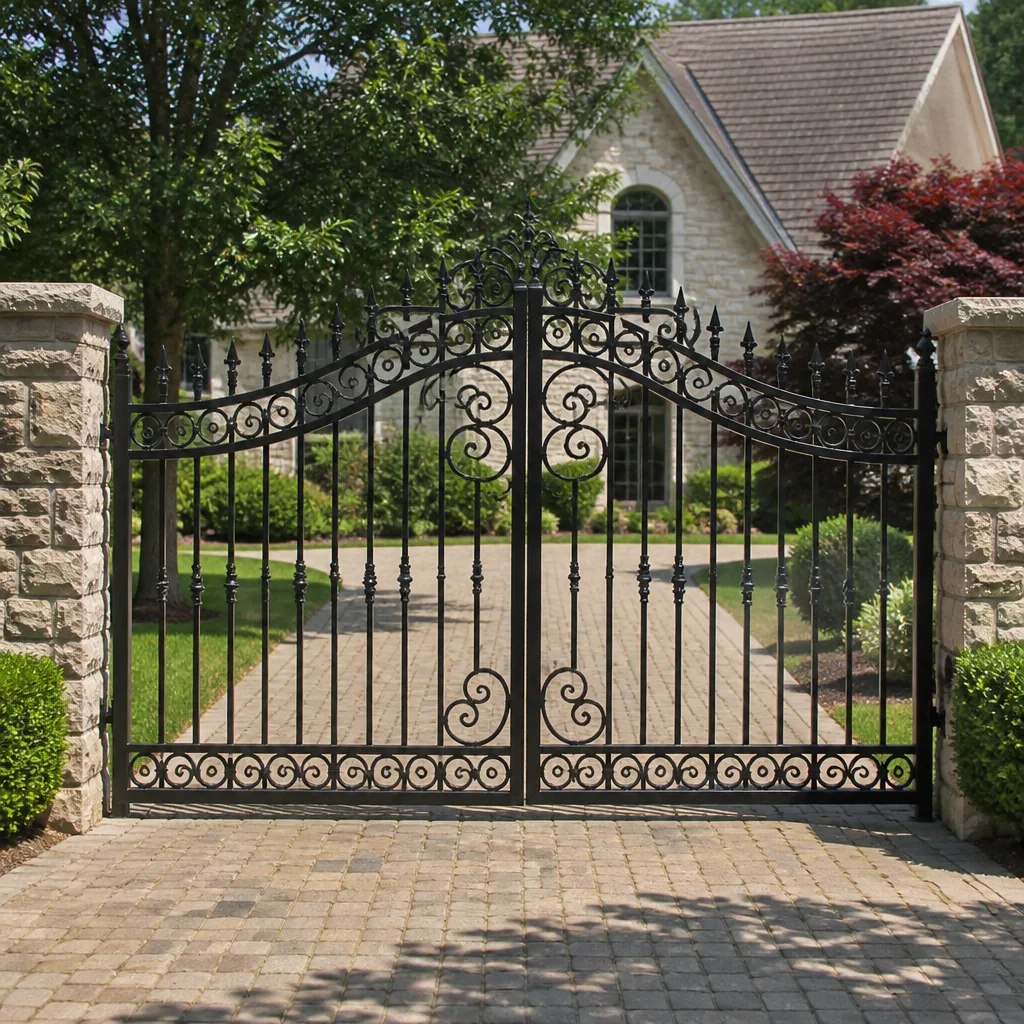 Wrought iron
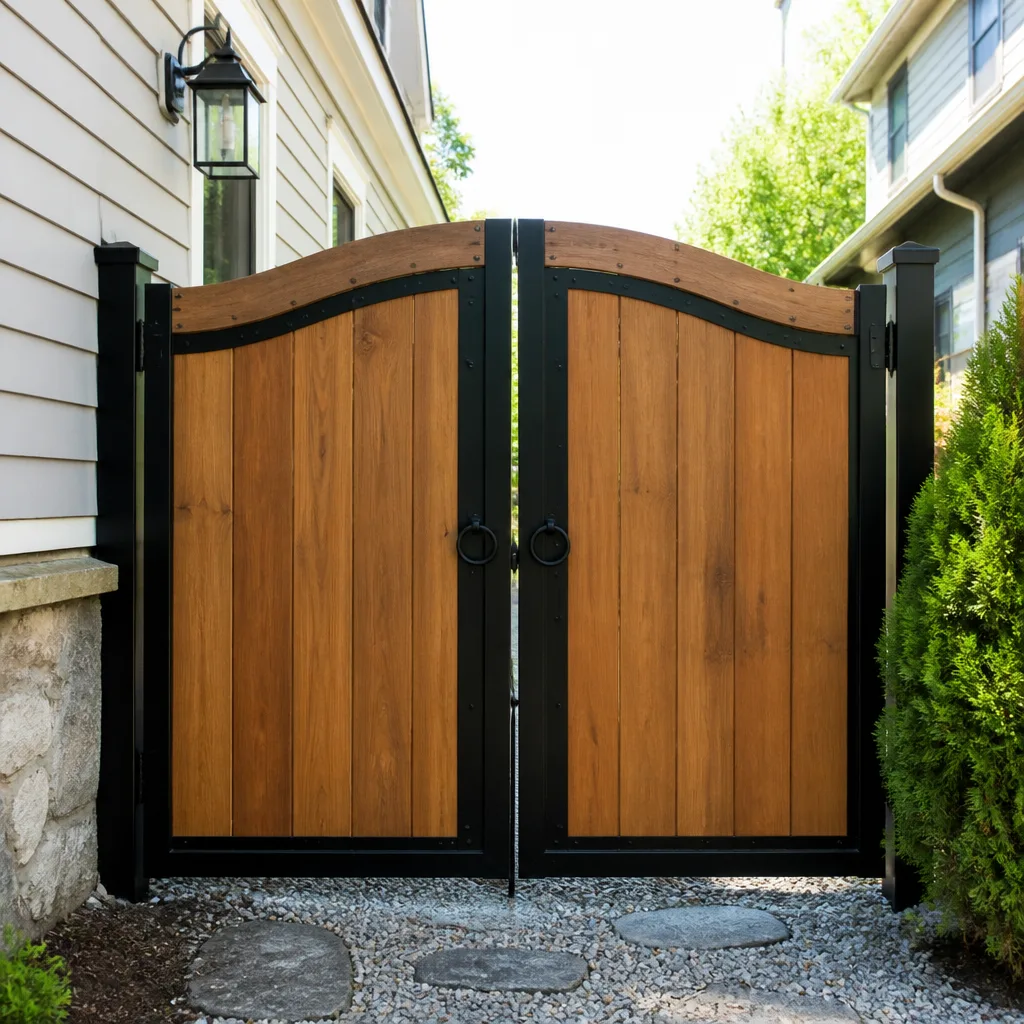 Wood & steel frame
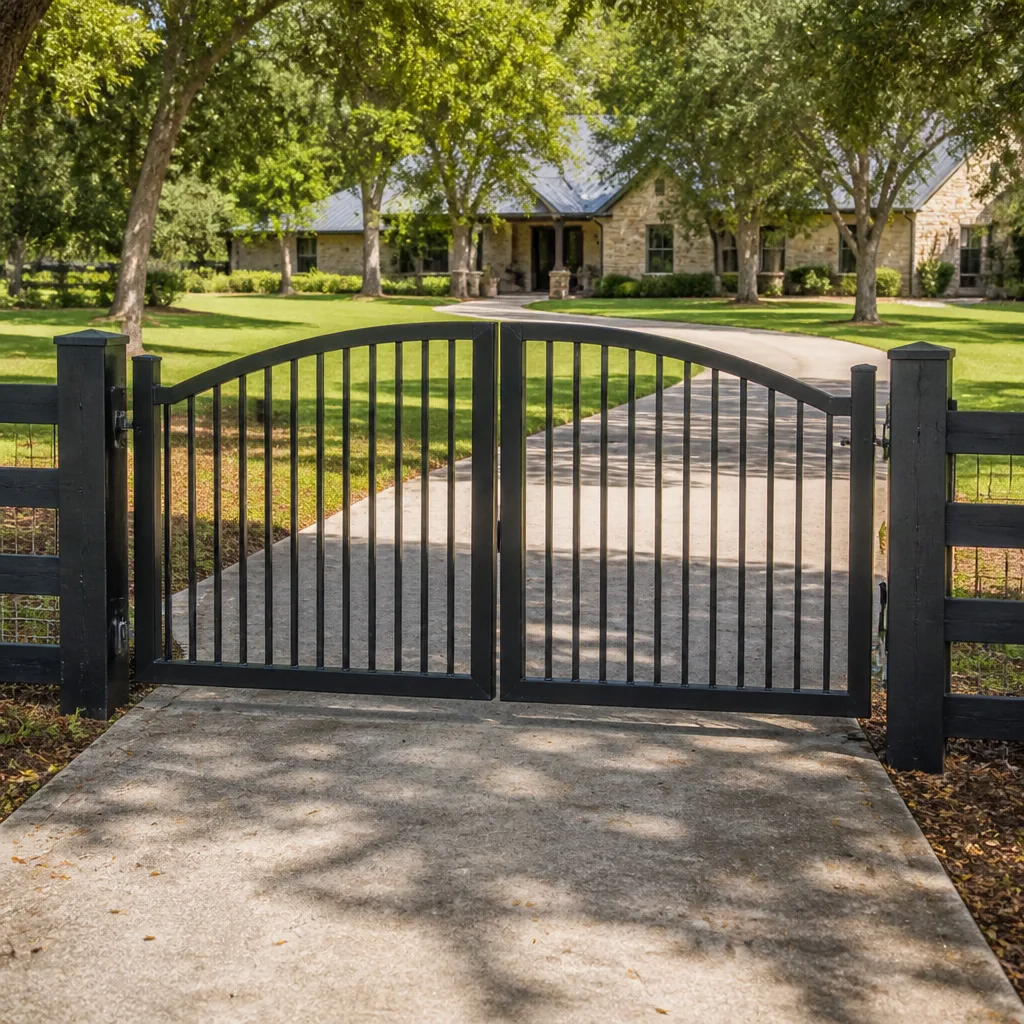 Farm & ranch
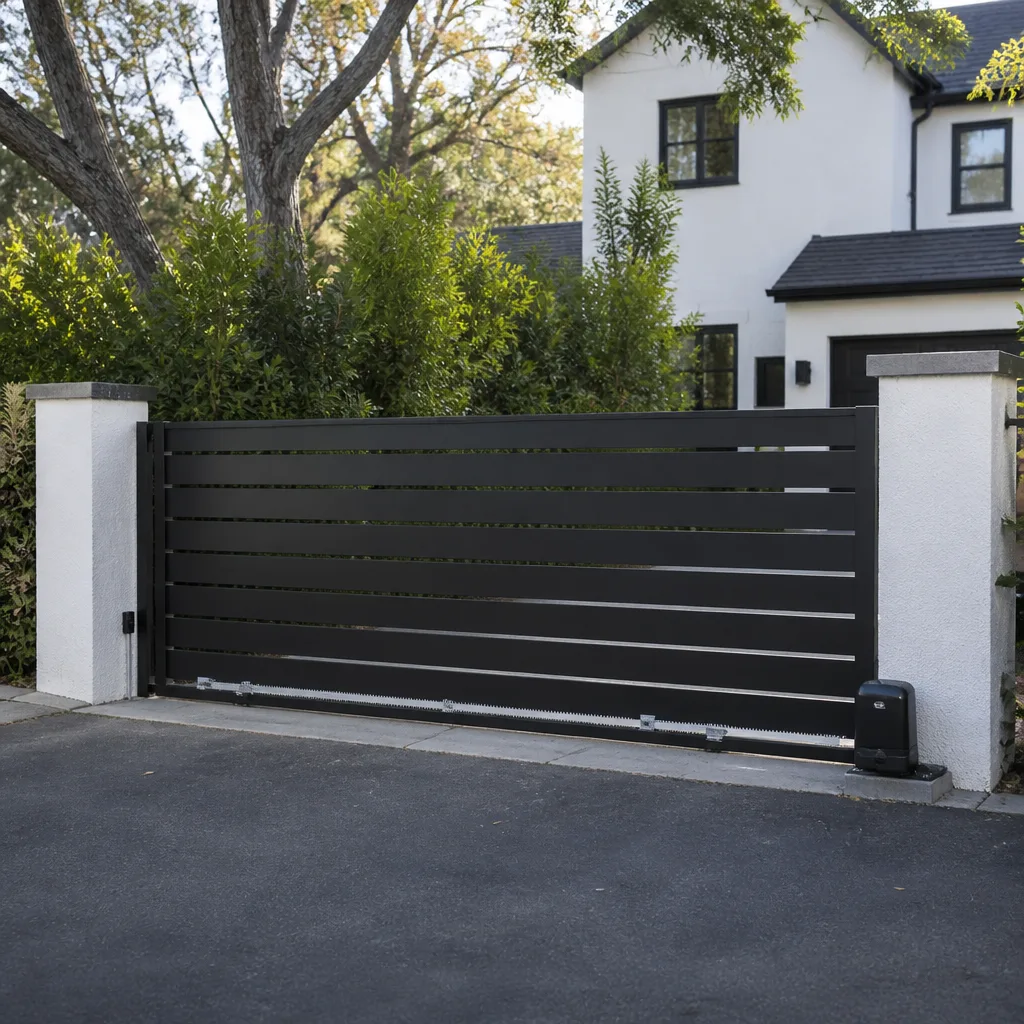 Sliding driveway gates
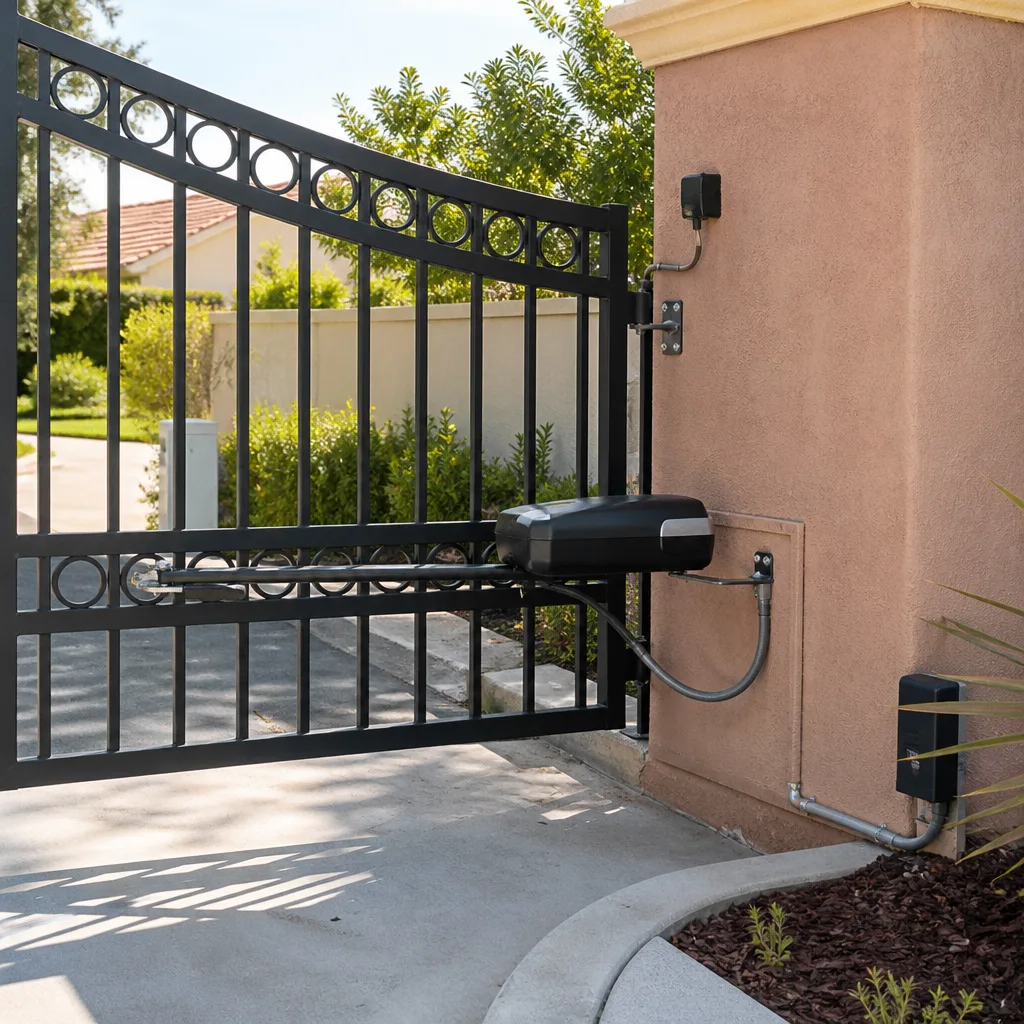 LiftMaster operators
Free on-site gate assessment - hinges, posts, and your LiftMaster or Nice gate operator checked before anything is quoted
The assessment is free and the quote is the invoice.
Get your free estimateGate Repair Permits, Codes & Inspections in Arvada, CO: What You Need to Know
Most people assume a permit is the least interesting part of a gate project. In Arvada, it’s often the most consequential. The same repair can be a no-paperwork afternoon on one property and a permitted, inspected job on the lot next door, because Arvada’s permitting authority doesn’t follow a tidy line. Homeowners here routinely discover this at the worst moment: during a home sale, or after filing an insurance claim on a gate motor that was never signed off. This guide walks you through which gate work needs a permit, how to find out which jurisdiction governs your address, what an inspector actually checks, and how to fix a past install that skipped the process.
Quick Answer
In Arvada, routine gate repair that keeps the existing structure and operator in place (a hinge swap, a manual latch, a bent arm) typically needs no permit, while anything that adds or replaces a motor, adds new electrical wiring, or changes the gate structure usually does. Your first step is confirming which authority governs your address, the City of Arvada or Jefferson County, since the requirement can differ between them. Always confirm with that building department before work starts, and check your HOA’s rules separately, because they can be stricter than the code.
Styles & brands we work with
- Wrought iron
- Wood & steel frame
- Farm & ranch
- Sliding driveway gates
- LiftMaster operators
Table of Contents
- Which Authority Governs Your Address: Arvada or Jefferson County?
- Which Gate Repairs Need a Permit and Which Don’t
- HOA Overlay: When Your CC&Rs Are Stricter Than the Code
- Gate Operators, Low-Voltage Wiring, and the Electrical Permit
- The Inspection Sequence for an Automated Gate Installation
- What Inspectors Actually Look At
- When Past Unpermitted Work Surfaces During a Sale or Claim
- Common Mistakes to Avoid
Which Authority Governs Your Address: Arvada or Jefferson County?
Arvada sits astride one of the more confusing jurisdictional seams in the metro. The city has its own building department, but a meaningful amount of ground with an Arvada mailing address is unincorporated Jefferson County, and those properties fall under the county’s permitting authority instead. The same automated gate can require a different permit, a different inspection booking, and a different set of submittals purely on the basis of which side of that invisible line the driveway sits on.
We’ve watched homeowners call the wrong department, get a clear answer, and start work, only to learn the answer applied to a different jurisdiction. The fix is straightforward if you do it first. Before you file anything, confirm what actually governs your parcel.
- Pull your parcel record. The Jefferson County Assessor’s property search tells you the legal jurisdiction and taxing authority for your address. If the record shows a county jurisdiction rather than the city, that’s your permitting authority.
- Check the zoning designation. Incorporated and unincorporated pockets can sit near each other, and the zoning field is usually the fastest tell.
- Call the department that matches the record. A five-minute call to the right building department saves a week of backtracking.
- Write the answer down. Note the date, the department, and the person’s name or reference number in your project file. When you sell, that note is worth more than you’d think.
For anyone in Arvada working near the county line, this is the single step most likely to change the whole project. If you’d rather not sort it out alone, our gate repair Arvada team can point you to the right department as part of a free estimate.
Which Gate Repairs Need a Permit and Which Don’t
The permit question comes down to whether the work changes the structure or the electrical system. Repairs that restore a gate to its existing function, using the parts that were already there, generally fall outside the permit process. Work that adds a motor, runs new wiring, or alters the gate frame usually triggers one. That line is the one to keep straight.
Typically no permit required
- Replacing a hinge, roller, or guide on an existing gate.
- Repairing or replacing a manual latch, lock, or handle.
- Straightening or re-hanging a gate panel that has sagged but isn’t being altered.
- Swapping a like-for-like operator control board where no new wiring is added. Confirm this with your building department, since the boundary can vary.
- Adjusting safety sensors on an operator that’s already installed and permitted.
Typically requires a permit
- Installing a new automated gate operator, or replacing a manual gate with an automated one.
- Running new electrical service to a gate, or extending an existing circuit.
- Replacing a control board where new low-voltage wiring or a new access-control run is part of the job.
- Altering the gate structure itself, widening an opening, or relocating posts.
- Adding access-control hardware that ties into the operator with new conductors.
A gate motor swap on an existing, permitted operator is where the rules get fuzzy. Some departments treat it as a like-for-like repair, others want it on the record. This is exactly the kind of question to ask before buying the replacement, not after. Our gate repair technicians handle Mighty Mule and LiftMaster operators on both sides of this line, and we’ll tell you plainly whether the job looks permit-triggering before any work is scheduled.
HOA Overlay: When Your CC&Rs Are Stricter Than the Code
Municipal code sets the floor, not the ceiling. Nearly every Arvada property with a shared entrance, from the older subdivisions off Wadsworth to the newer communities on the city’s western edge, sits under some form of HOA or architectural review. The CC&Rs on file can impose requirements the building department never will, and code compliance does not satisfy them.
This is where a surprising number of gate projects stall. An owner gets the city’s sign-off, installs a new FAAC operator with the safety edges the code expects, and then gets a letter from the HOA because the gate height, the finish, or the visibility from the street didn’t match the architectural standards. The work was legal. It still has to come out.
Before any structural gate work, check both layers in this order:
- Pull your CC&Rs and architectural guidelines. Look specifically at gate height, materials, colors, and visibility from the street. Some associations restrict what can be seen through the gate or how far it can open over the sidewalk.
- Submit to the architectural review committee if required. Even if the code doesn’t require it, the HOA often does, and approval usually needs to be in hand before work begins.
- Then file with the building department. Doing it in this order prevents the worst outcome, which is a permitted, inspected gate that violates the CCRs.
For HOA boards and property managers running shared entrances, the same logic applies to commercial-grade platforms like BFT and DoorKing. The board’s architectural standards and the city’s code both need to be satisfied, and a professional who works on those systems regularly will know how to keep both happy. If you need help understanding the technical side, our team handles electric gate repair across residential and commercial operators alike.
Gate Operators, Low-Voltage Wiring, and the Electrical Permit
An automated gate involves two electrical systems, and they’re governed differently. The line-voltage run (the 120-volt circuit that feeds the operator) is the one that almost always requires an electrical permit and a licensed electrician. The low-voltage side, which carries control signals to the operator, the safety sensors, and any access-control hardware, is a separate scope and is usually where the code gets most specific about inspections. Getting this wrong is one of the most common reasons a gate project stalls at final.
High-voltage work: never a DIY job
The line-voltage connection is genuinely dangerous. A 120-volt circuit run to a gate operator, especially one outdoors where moisture and ground contact are constant, needs to be done by a licensed electrician under permit. We flag this clearly because it’s the part of gate work where the worst outcomes happen, and it’s the part that gets skipped most often when an owner tries to save money. If you’re not certain who installed the electrical feed to your gate, have it inspected before you rely on it.
What the low-voltage side covers
- Control conductors from the operator to the keypad, intercom, or card reader.
- Wiring to the safety sensors, including photo eyes and edge sensors.
- Loop detector wiring in the driveway for vehicle detection.
- Any access-control panel that ties into the operator’s control board.
This is exactly the layer where general handymen decline the job. It’s also where a specialist’s diagnostic ability earns its keep, since a fault that looks like a dead operator can just as easily live in the access-control board or the sensor circuit. Our technicians have up to experience tracing failures from the motor to the control board, and we can tell you precisely which layer the gate failure is in before anyone starts replacing parts.
The Inspection Sequence for an Automated Gate Installation
A permitted automated gate installation in Arvada typically runs through two or three inspections, and each stage has to be signed off before the next can happen. The sequence is what separates a clean project from one that drags on for weeks. Here’s what it looks like.
- Electrical rough-in inspection. The electrician runs the line-voltage circuit and the inspector checks the conduit, conductor sizing, grounding, and the trench or burial depth against code before anything is backfilled or the operator is mounted.
- Low-voltage inspection. Once the operator and controls are set, the inspector verifies that the low-voltage wiring, the safety sensors, and any access-control hardware meet code. This is where the photo-eye placement and the safety edges get scrutinized.
- Final inspection. With everything installed, the inspector sees the gate operate: the travel limits, the reversal on obstruction, the safety sensors, and the overall structure. A gate that runs but fails the obstruction test will not pass final.
The most common reason a final fails is that the operator was installed and wired before the rough-in was inspected, which means the rough-in has to be exposed again. Scheduling inspections in the right order matters more than people expect. If you’re planning a new automated gate, our Arvada installation team coordinates the sequence so each stage is ready before the inspector arrives, on both residential and commercial-grade operators.
What Inspectors Actually Look At
The most useful thing you can do before an inspection is understand what the inspector is there to see. It isn’t a beauty contest. It’s a checklist of safety and structural items, and each one has a reason behind it.
Electrical rough-in stage
- Grounding and bonding. The circuit has to be properly grounded, especially outdoors where moisture is constant.
- Conduit and conductor protection. The run has to be protected against physical damage, and the burial depth has to meet code.
- Disconnect and overcurrent protection. There needs to be a way to safely cut power to the operator.
Low-voltage stage
- Safety sensor placement. Photo eyes and safety edges have to be positioned where they actually detect a person or vehicle in the path.
- Control integrity. The signal wiring has to be correct, and termination has to be secure.
- Access-control integration. If there’s a card reader or intercom, the inspector checks that it ties into the operator safely and correctly.
Final stage
- Obstruction reversal. The gate must reverse on contact with an obstruction. This is the one inspection item that matters most for safety.
- Travel limits. The gate has to stop at the correct open and closed positions.
- Structural integrity. Hinges, posts, and the gate panel need to be sound. A gate that’s structurally weak won’t pass even if the operator is perfect.
This checklist is also the reason a specialist handles the job differently. Our technicians have worked with Mighty Mule, LiftMaster, FAAC, BFT, and the other systems we service, and they know which inspection points each platform tends to fail. The point isn’t to pass an inspection on paper, it’s to pass it because the gate is genuinely safe.
When Past Unpermitted Work Surfaces During a Sale or Claim
This is the scenario that makes the permit question consequential rather than bureaucratic. During a home sale or an insurance claim, a gate motor that was installed without a permit can surface as a defect. An insurer can question coverage on a claim tied to unpermitted electrical work, and a buyer’s inspection can flag the gate as a compliance issue during escrow. Neither problem is unsolvable, but both get harder the longer they sit.
The good news is that retroactive correction is usually possible. The process generally works like this:
- Find out what’s on record. Pull the permit history for your address. Some installs were permitted but never inspected, which is a simpler problem than a completely unpermitted install.
- Talk to the building department. Explain the situation. Most departments have a path for legalizing past work, and they’d rather help you correct it than cite you for it.
- Have the work inspected. The operator, the electrical, and the safety sensors all get checked against current code. If something doesn’t pass, it gets corrected before the permit is finalized.
- Get documentation. When the permit closes, keep the paperwork. It resolves the sale or claim question permanently.
If you’re in the middle of a sale or a claim and a gate has surfaced as a problem, this is one of the clearest reasons to call a professional. There’s no shortcut around the inspection, and the sooner it’s scheduled the sooner the roadblock clears.
Common Mistakes to Avoid
- Assuming your address is inside city limits. A surprising number of Arvada mailing addresses fall under Jefferson County jurisdiction. Confirm with the parcel record before filing, because the wrong answer can cost you a week.
- Checking the HOA after the code. Architectural review can impose stricter requirements than the building department, and code compliance doesn’t satisfy them. Check both, and check the CCRs first.
- Skipping the rough-in inspection. Wiring the operator before the electrical rough-in is inspected means the wiring may have to be exposed again. Sequence the inspections correctly from the start.
- Treating a motor swap as a pure repair. Replacing a manual gate with an automated one, or running new wiring alongside a new control board, usually triggers a permit. Ask before you buy the operator.
- Underestimating the low-voltage side. Safety sensors and access-control wiring are inspection items, and a gate that runs will still fail final if the obstruction reversal doesn’t work.
- Ignoring an unpermitted install until the sale. Past work without a permit is easier to correct when you have time than when escrow is closing. Pull your permit history now if you’re uncertain.
- Hiring a generalist for a commercial-grade system. A DoorKing or FAAC operator wired into an access-control board needs someone who understands that platform. Cross-brand diagnostics save replacement costs when the fault is actually in the sensor circuit.
See the difference
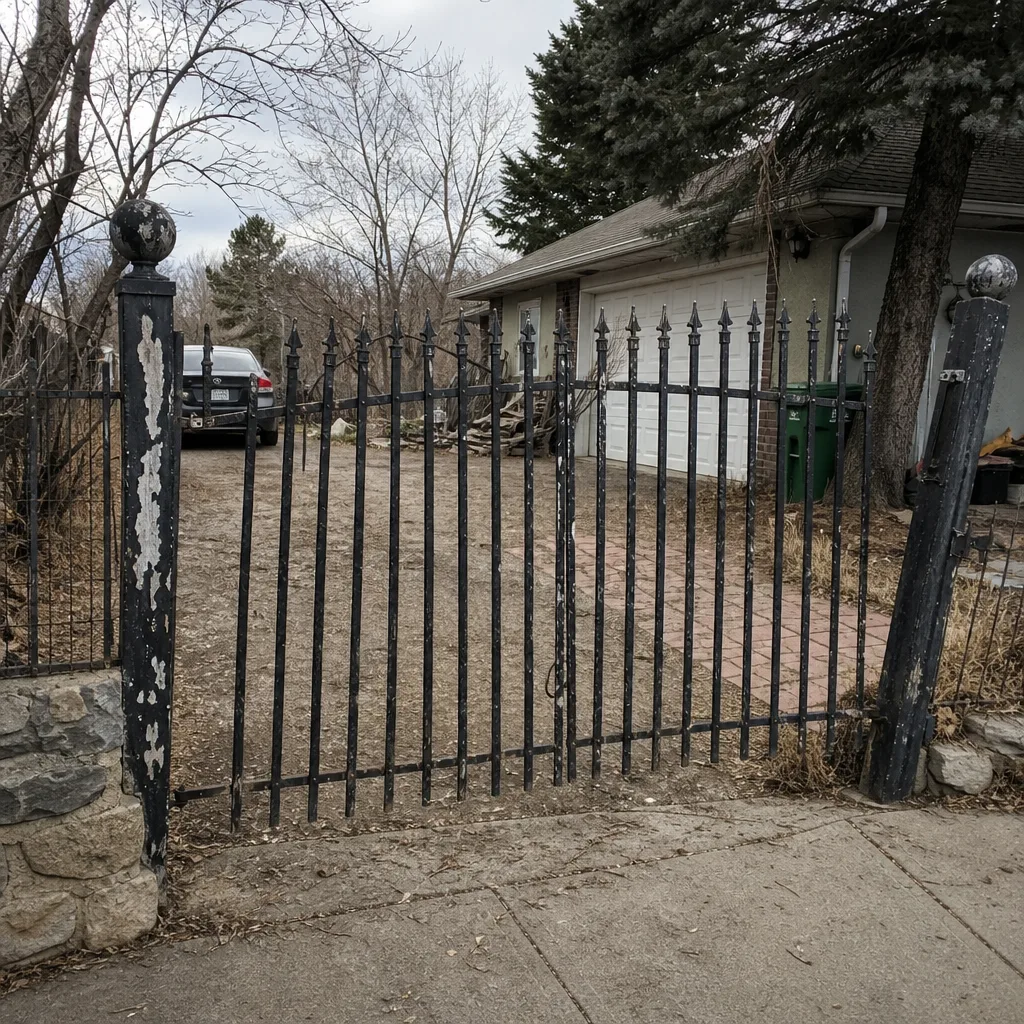 Before
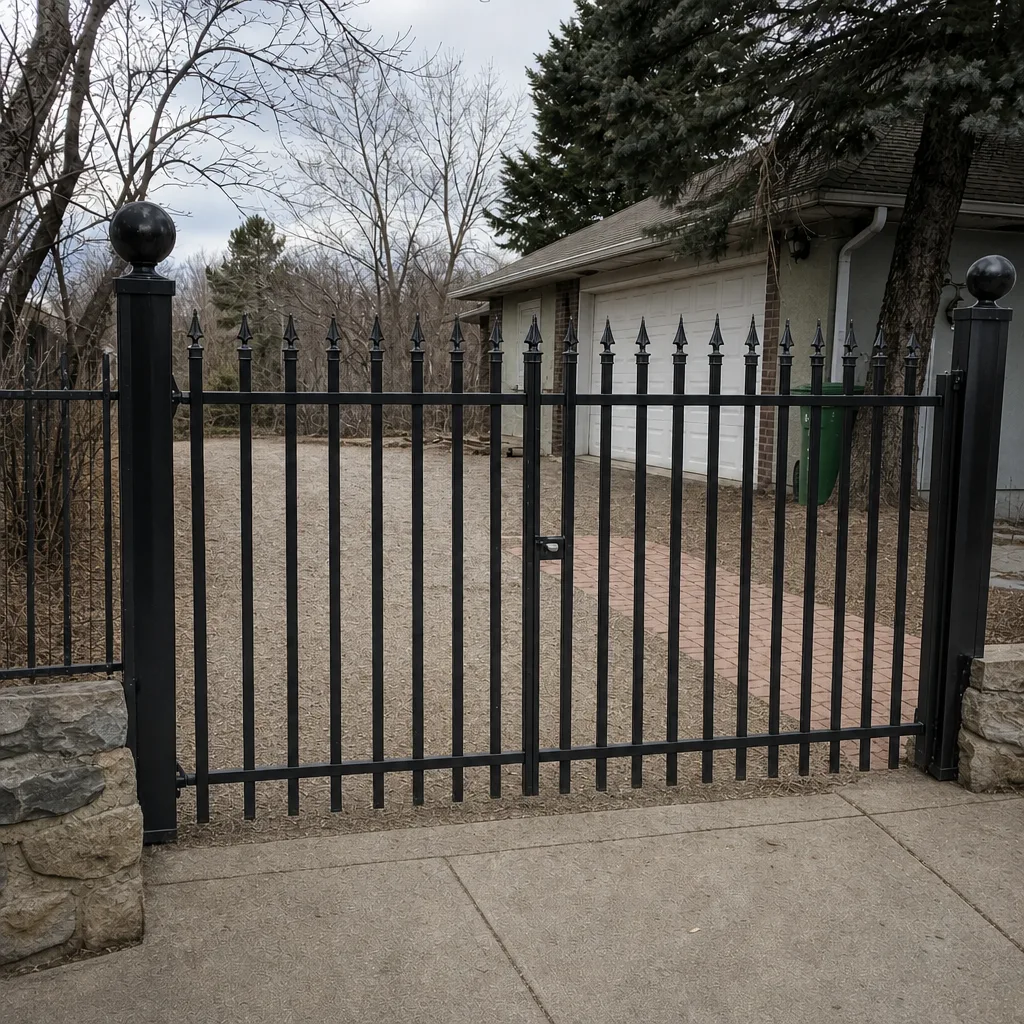 After
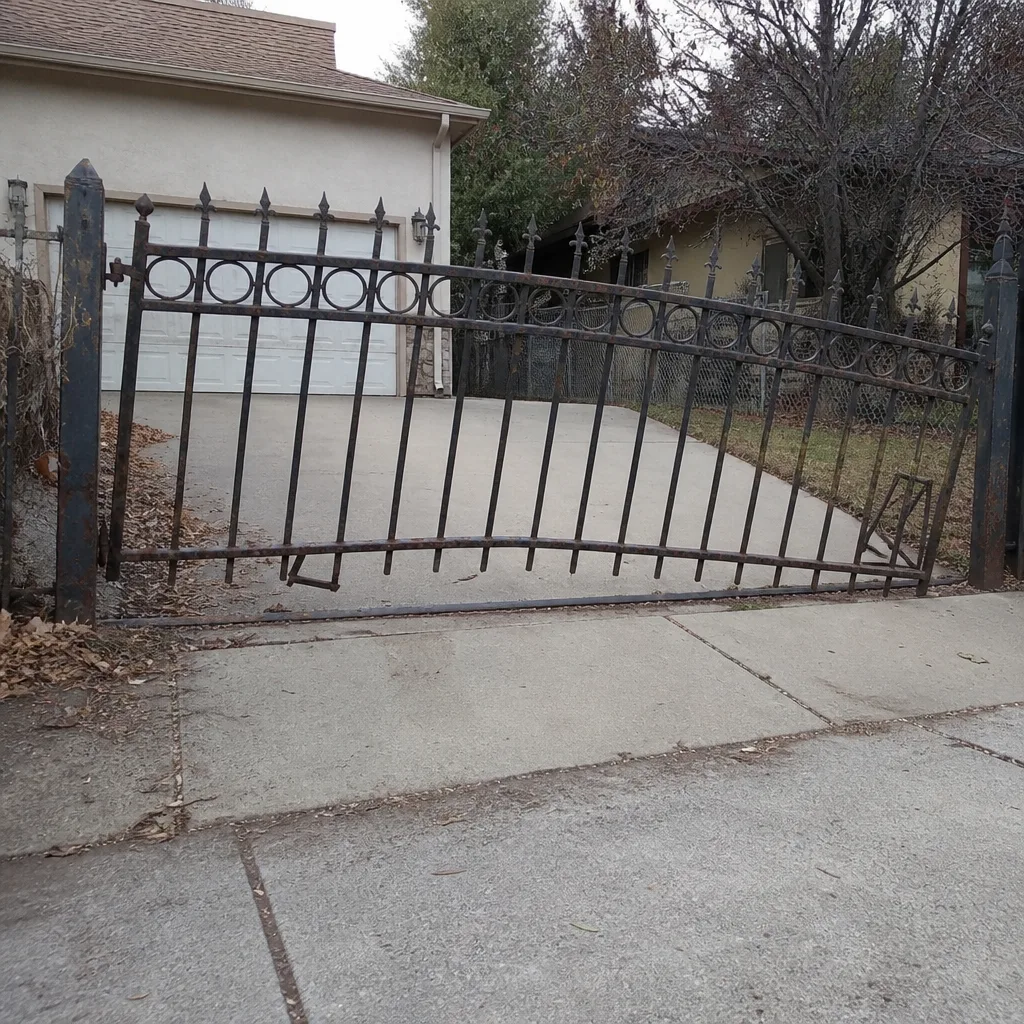 Before
 After
 Before
 After
When to Call a Professional
Some gate work is a genuine do-it-yourself candidate, and some isn’t. Hinge swaps and manual latch repairs on an already-compliant gate are the sort of thing a careful homeowner can handle. But anything involving the line-voltage connection, a new operator, access-control wiring, or the inspection sequence belongs with someone who knows the code and the equipment. The same is true if you’re facing a sale or an insurance claim and an unpermitted install has surfaced. A professional can trace whether the failure is in the operator, the control board, the safety sensors, or the mechanical structure, and get the permitting path right the first time. Gate Repair Arvada offers free estimates in Arvada, and our technicians have up to experience across residential and commercial gate systems. Call (844) 761-1390 to schedule yours.
Frequently Asked Questions
It depends on the work. Swapping a motor on an existing, permitted operator is sometimes treated as a like-for-like repair, but adding a motor to a manual gate, or running new wiring alongside the new operator, usually requires a permit. Call the building department that governs your address and confirm before you buy the replacement. Call (844) 761-1390 for an exact quote, and our team can tell you whether the job looks permit-triggering as part of a free estimate.
It could be the City of Arvada or Jefferson County, and the answer is in your parcel record. Pull your property record from the Jefferson County Assessor’s search, look at the jurisdiction and zoning fields, and call the department that matches. This is the first thing to confirm on any gate project that might need a permit.
Usually, yes. Hinge replacement, latch and lock repairs, and re-hanging a sagged gate typically don’t trigger a permit because they restore the existing function without changing the structure or electrical system. Confirm with your building department for the specific repair, and remember the HOA may still have requirements even when the code doesn’t. Call (844) 761-1390 for an exact quote on the repair itself.
Typically electrical rough-in, low-voltage, and final. The rough-in covers the line-voltage circuit and its burial depth, the low-voltage stage covers the safety sensors and control wiring, and the final checks obstruction reversal, travel limits, and structural integrity. Scheduling them in the right order is what keeps the project on track.
It can stall the sale or raise questions from an insurer, but it’s usually correctable. Pull the permit history, talk to the building department about the legalization path, have the work inspected and corrected, then keep the paperwork. The sooner you start, the less it delays closing. Call (844) 761-1390 to get a professional out to assess the gate.
Yes. Architectural guidelines and CCRs can impose stricter requirements on gate height, materials, colors, and visibility, and meeting city code doesn’t satisfy them. Pull your CCRs and submit to the architectural review committee before any structural work begins. If you need help understanding the technical side of the gate or operator, our team handles electric gate repair and can take a look.
The Bottom Line
In Arvada, the gate permit question comes down to three checks: which jurisdiction governs your address, whether the work changes the structure or the electrical system, and what your HOA requires on top of the code. Routine repairs that keep an existing, compliant gate working are usually exempt. Anything that adds an operator, runs new wiring, or alters the gate frame usually isn’t. Get the jurisdiction right first, check the CCRs before the code, and line up the inspection sequence in order. If an unpermitted install has already surfaced, the correction path is usually straightforward when you start it early. Call (844) 761-1390 for a free estimate, and we’ll walk you through what the job actually needs.
Written by the team at Gate Repair Arvada.