
Last updated November 15, 2026
 Wrought iron
 Wood & steel frame
 Farm & ranch
 Sliding driveway gates
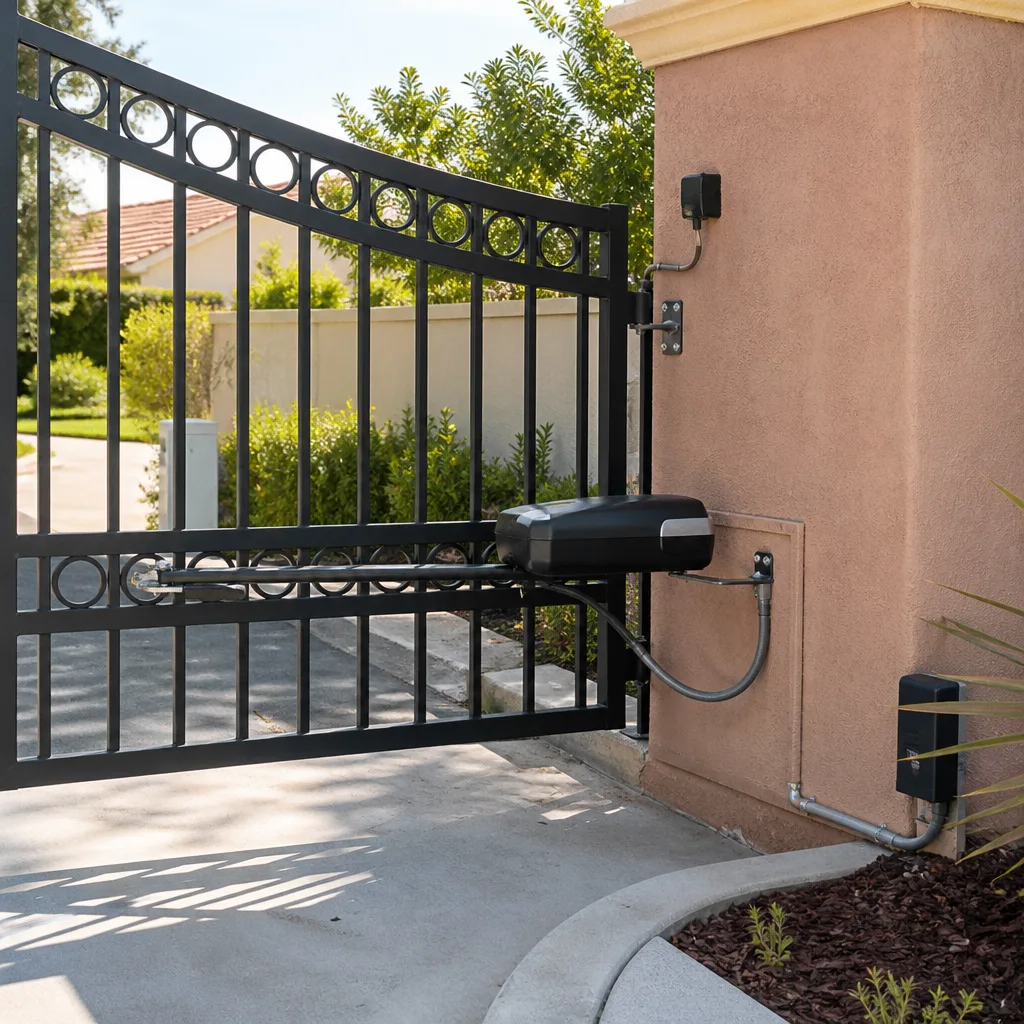 LiftMaster operators
Free on-site gate assessment - hinges, posts, and your LiftMaster or Nice gate operator checked before anything is quoted
The assessment is free and the quote is the invoice.
Get your free estimateGate Repair Maintenance Schedule: What to Do and When
Most gate maintenance advice is built on a calendar, and that’s the problem. A quarterly checklist tells you almost nothing about a gate that runs 60 times a day versus one that opens twice. The real trigger is usage cycles and seasonal stress, not a date on the wall. Here in Arvada, the swing between a sub-freezing January and a 95-degree July puts gate hardware through more thermal punishment than the calendar ever accounts for. And the single most skipped task on automated gates – lubricating the chain or belt drive with a viscosity that actually holds up below freezing – is behind more motor burnouts in Colorado than any other preventable failure we see. This guide replaces the checkbox schedule with a task list keyed to what really wears gates out in Arvada.
Quick Answer
A gate maintenance schedule should be driven by two triggers: usage cycles and seasonal stress events, not fixed calendar intervals. At minimum, inspect and lubricate the drive system before the first freeze, re-torque hinges and check the drive gear at 5,000 cycles, clear drainage after monsoon season, and test safety sensors and manual release monthly. Match the interval to the gate’s daily cycle count – a 40+ cycle commercial property needs far more frequent service than a single-family home.
Styles & brands we work with
- Wrought iron
- Wood & steel frame
- Farm & ranch
- Sliding driveway gates
- LiftMaster operators
Table of Contents
- Why a Calendar Schedule Fails Your Gate
- The Arvada Seasonal Task Breakdown
- Usage-Cycle Milestones That Override the Calendar
- Lubricant Specifications by Component and Temperature
- How to Log a Maintenance Record That Protects You
- Commercial vs. Residential Maintenance Intervals
- The Monthly Owner Checklist
- Common Mistakes to Avoid
- When to Call a Professional
Why a Calendar Schedule Fails Your Gate
A gate doesn’t know what month it is. It knows how many times it has cycled, how cold the steel got overnight, and how much grit worked into the rollers since the last cleaning. That’s why a schedule built on “four times a year” misses the actual failure points. A gate at a busy Arvada property might run 5,000 cycles in a few months while a quiet residential gate takes a year or more to reach the same wear. Same calendar, wildly different condition.
In our experience across FAAC, BFT, Linear, and Viking systems, the failures that surprise owners almost always trace back to a maintenance decision that ignored usage. The drive gear wears at a rate tied to cycles, not seasons. Hinge bolts loosen in proportion to how often the gate swings, not how long it’s been sitting. Treating every gate the same means the hard-working ones get neglected and the lightly used ones get over-serviced.
There’s a second reason the calendar fails in Arvada specifically: the local climate compresses certain risks into short windows. The first hard freeze arrives with little warning, and a gate whose drive was lubricated with a warm-climate grease can bind solid within a day or two of that first cold snap. Monsoon-season rain in late summer sends water into places that stayed dry all spring, and a drainage problem you never noticed in June becomes a rusted operator by September.
So the schedule below uses two anchors. Seasonal events catch the climate-driven stress. Cycle milestones catch the wear-driven stress. Together they cover what a quarterly checkbox never will. If you’d rather have a specialist build the plan around your specific operator, our gate repair team can assess the system and set intervals that fit how hard it actually works.
The Arvada Seasonal Task Breakdown
Arvada’s weather swings hard enough that each season brings its own failure mode. Here’s how to time the work to the stress your gate is actually under.
Pre-Winter (Before the First Freeze)
This is the most important window of the year. Get ahead of the first hard freeze and you avoid the cold-weather failures that strand gates all winter.
- Re-lubricate the chain or belt drive with a cold-rated lubricant (specification details below).
- Test the operator’s manual release and confirm it moves freely – cold makes a stiff release stiffer.
- Tighten every accessible fastener on hinges, brackets, and the operator mount.
- Check the control board enclosure for cracks or gaps that let snow melt inside.
- Confirm the safety sensors trigger correctly; ice and low sun can confuse them.
Post-Winter (After the Last Hard Freeze)
Winter leaves behind grit, salt-free but still abrasive road grit tracked onto gate paths, plus freeze-thaw movement that loosens hardware. Inspect the drive gear for wear, clear debris from the track or swing arc, re-torque hinge bolts, and check for any corrosion that started over the cold months.
Summer Heat Check
Heat expands metal and stresses the operator’s electronics. Inspect the control board for heat damage, confirm ventilation around the operator housing, and check that the drive hasn’t picked up slack as components expand and contract.
Monsoon-Season Drainage Inspection
Late-summer storms expose drainage problems. Walk the gate’s full travel path, check that water sheds away from the operator and posts, and clear any channel that’s started to fill. Standing water near the base is one of the fastest routes to a rusted mechanism.
Usage-Cycle Milestones That Override the Calendar
Cycle count is the honest measure of wear. Two gates on the same street in Arvada can be at completely different points simply because one serves a busy driveway and the other sits quiet most of the day. Track cycles and let the number drive the work.
At 5,000 Cycles
- Hinge bolt re-torque: every hinge and bracket gets checked. Loose hinges strain the operator and throw the gate out of alignment.
- Drive gear inspection: look for tooth wear, chipping, or uneven contact. Early detection here saves a motor.
- Roller and track check: for sliding gates, confirm rollers spin freely and the track is straight.
- Lubrication refresh: re-apply the correct lubricant based on the season ahead.
At 10,000 Cycles
- Safety sensor and loop detector testing under real conditions, not just a bench check.
- Control board and wiring inspection: look for corrosion, loose terminals, and heat stress.
- Motor assembly check: listen for strain and check current draw where accessible.
If your operator has a cycle counter, log it. If it doesn’t, estimate: count the average daily openings and multiply out monthly. A gate that opens 40 times a day is hitting 5,000 cycles in a matter of months, not years – which changes the whole schedule. When we work on commercial-grade systems like FAAC or BFT operators, the cycle count is often the first thing we ask for, because it tells us where the wear will be before we even open the panel.
Lubricant Specifications by Component and Temperature
This is where most maintenance schedules quietly fail. The grease that works fine in a warm climate can seize Colorado gate hardware by February. Viscosity matters, and it has to match the coldest temperatures your gate will see.
Match the Lubricant to the Component
- Chain drive: use a chain-specific lubricant rated for cold temperatures. A warm-climate grease thickens below freezing and drags the motor.
- Belt drive: belt systems generally need less lubrication than chain; use the operator manufacturer’s specification and don’t over-apply.
- Rollers and track (sliding gates): a lighter, cold-rated lubricant works better than heavy grease, which attracts grit.
- Hinges and pivot points (swing gates): a cold-stable penetrating lubricant that won’t gum up in low temperatures.
- Drive gear: the gear lubricant specified by the operator maker; adding the wrong type can accelerate wear.
Temperature Range Rule
The key principle: whatever lubricant you choose must stay fluid at the lowest temperature your gate experiences. In Arvada that means cold-rated products, not the warm-weather greases that are fine elsewhere. When a lubricant thickens, the motor has to work harder to move the same gate, and that extra strain is what burns out drives and motors. Applying a heavy grease in November is one of the most common causes of a gate that “suddenly” fails in January.
If you’re not sure what’s currently on your gate, a technician can identify it and switch you to the right product for the season. The wrong base oil or thickener can also work against a later application, so consistency matters. Part of what our electric gate repair work covers is exactly this kind of component-level diagnosis – figuring out whether a failure is in the operator, the control board, the safety sensors, or the mechanical structure – so you’re not guessing at lubricants and settings.
How to Log a Maintenance Record That Protects You
A maintenance log does two jobs: it protects warranty claims and it makes every future service call faster. A technician who can read your history diagnoses in minutes what would otherwise take an hour of investigation. Here’s a record format that actually works.
- Date and cycle count at the time of each task. The cycle number is more useful than the date.
- Task performed – what was done, specifically (not just “serviced”).
- Component and brand. Note the operator brand (FAAC, BFT, Linear, Viking, and so on) and the component touched.
- Parts replaced with any identifiers you have.
- Observations – anything that looked worn but wasn’t replaced yet. This is your early-warning list.
Keep the log somewhere durable – a folder or a shared document – and photograph the operator label and any replaced part. Warranty claims go smoother when you can show the maintenance was done on schedule with the correct products. For a property manager running multiple gates, one log per gate, labeled clearly, prevents the confusion of mixing histories. When a tech arrives for the next call, that log is the difference between a fast, precise repair and a slow process of elimination.
Commercial vs. Residential Maintenance Intervals
A multi-tenant property with 40 or more daily cycles needs a fundamentally different schedule than a single-family home. This isn’t a matter of being thorough – it’s simple math on wear. Forty cycles a day is roughly 14,600 a year, which pushes a commercial gate through multiple 5,000-cycle milestones in the time a home gate hits one.
Residential Gates
Most single-family gates run a handful of times a day. The calendar and the seasonal events matter more here, because the gate is often more affected by weather sitting than by wear. A pre-winter lubrication and a post-winter inspection usually carry a home gate comfortably through the year, with a cycle-based deep check when it approaches 5,000.
Commercial and Multi-Unit Gates
High-cycle systems need a schedule anchored to cycles first and seasons second. Drive gear inspection, hinge re-torque, and safety sensor and loop detector checks come far more frequently because the gate is working hard every day. Access-control components – the boards and detectors that manage entry – get more attention too, since a failure at a busy building means a real disruption. For commercial-grade operators like FAAC, BFT, or DoorKing, the operator’s own duty rating is the starting point: a heavy-duty system running at 40 cycles a day is well within its design, but it still needs the maintenance that keeps it there.
If you manage an HOA or apartment complex in Arvada and you’re not sure which interval fits, an on-site assessment will tell you. We work residential and commercial systems with equal fluency, so the schedule can be built around your actual traffic rather than a generic template.
The Monthly Owner Checklist
Between the bigger seasonal and cycle-based tasks, a few quick checks each month catch problems early. None of these require tools, and together they take a few minutes.
- Test the safety sensors: pass an object through the beam and confirm the gate reverses or stops.
- Test the manual release: confirm it operates smoothly, then reset it.
- Listen for changes: new grinding, squealing, or a change in how the gate starts and stops.
- Look at the travel path: debris, gravel, or vegetation that has crept into the gate’s arc or track.
- Check the hardware by eye: anything visibly loose, rusted, or out of line.
Anything that changes suddenly is worth a closer look before it becomes a repair. For an Arvada gate that takes heavy use, this monthly pass is what turns the seasonal and cycle tasks from reactive fixes into preventive ones. If you’re dealing with a gate problem now, we serve the whole Arvada area and can take a look.
Common Mistakes to Avoid
- Using warm-climate grease in a Colorado winter. It thickens below freezing and drags the motor. This one mistake causes more cold-weather failures than any other.
- Ignoring the cycle count. A date-based schedule tells you nothing about a gate that’s run 5,000 times in a few months. Track cycles first.
- Greasing a belt drive like a chain. Belt systems need the operator maker’s specification and less is more; over-lubricating attracts grit and causes wear.
- Skipping the drainage check after monsoon season. Standing water near the operator base rusts the mechanism faster than any other exposure in Arvada.
- Treating a commercial gate like a home gate. A 40+ cycle property needs a schedule built around wear, not the seasons.
- Not logging maintenance. Without a record, warranty claims get harder and every future repair starts from scratch.
- Assuming a general handyman covers it. Control boards, loop detectors, and motor assemblies fall outside what most generalists handle – and a misdiagnosis can cost more than the original problem.
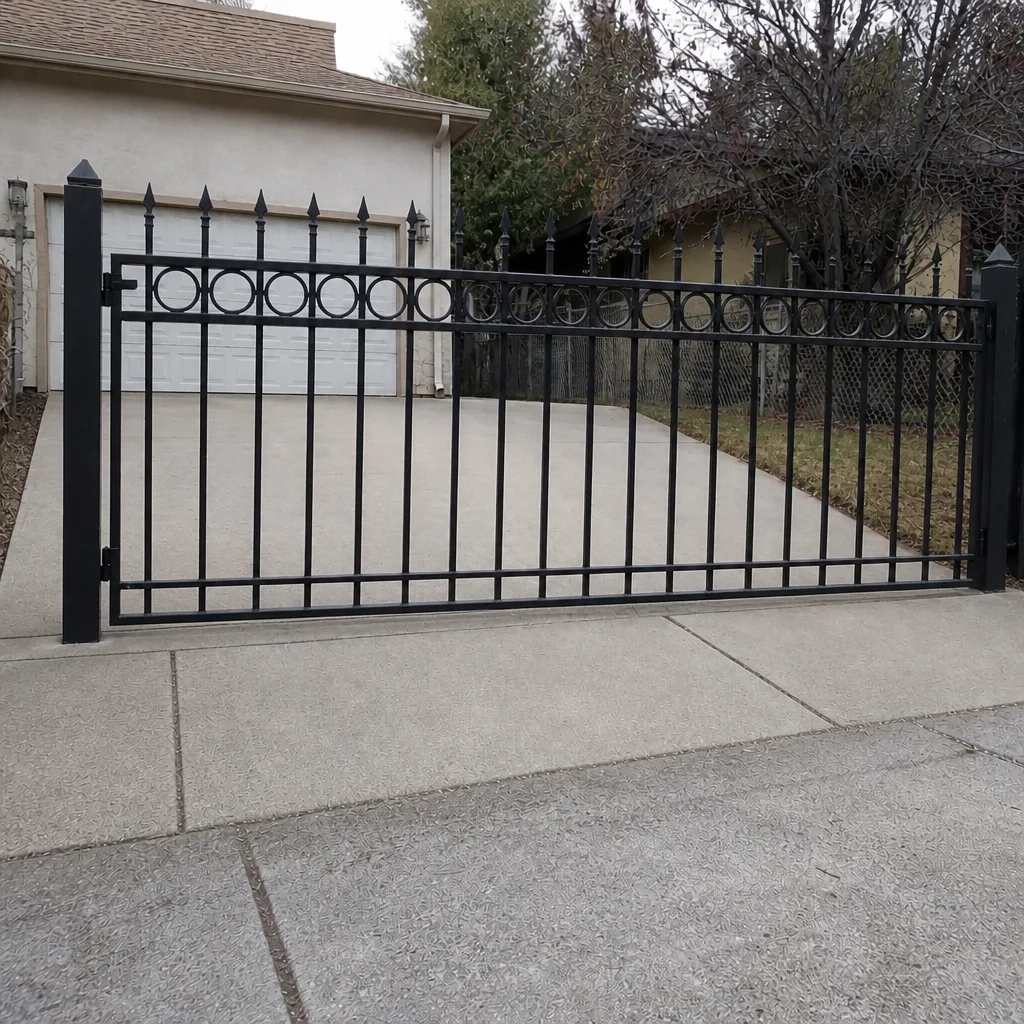
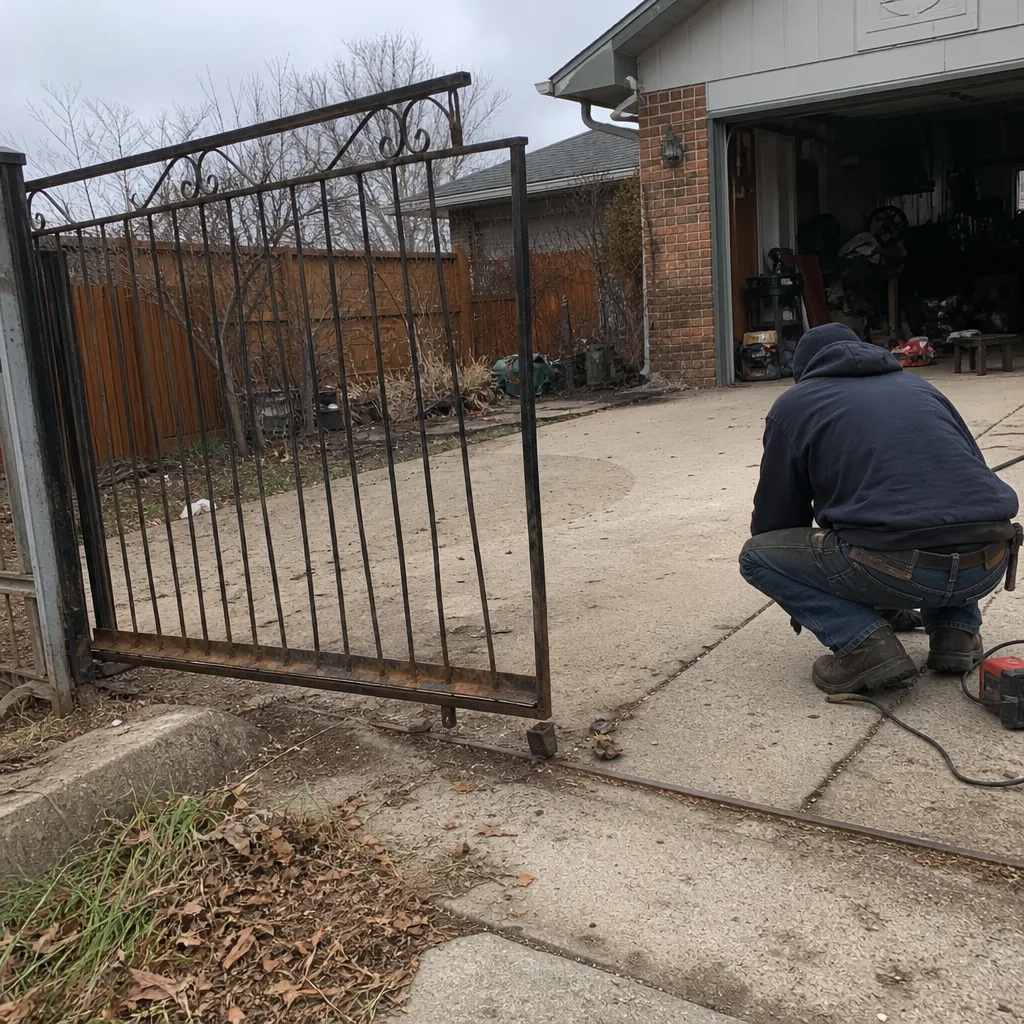
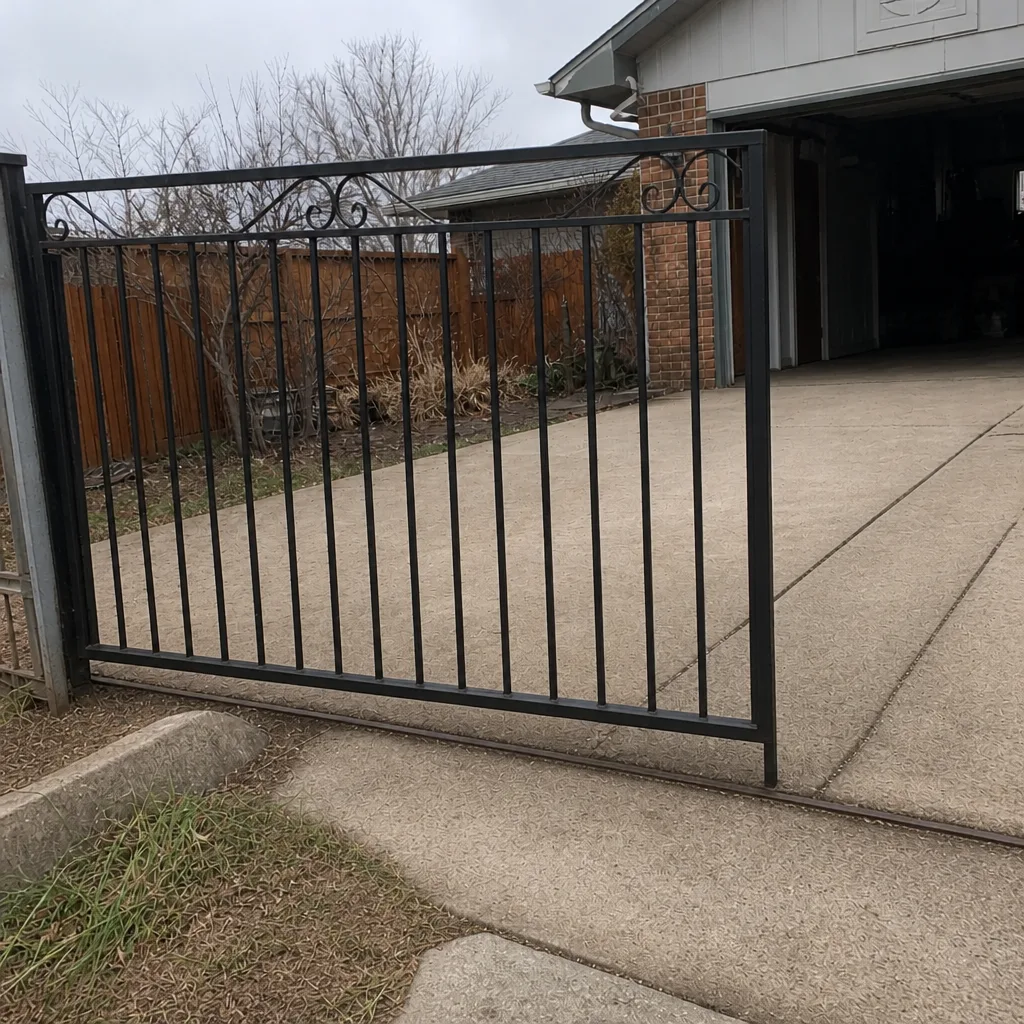
See the difference
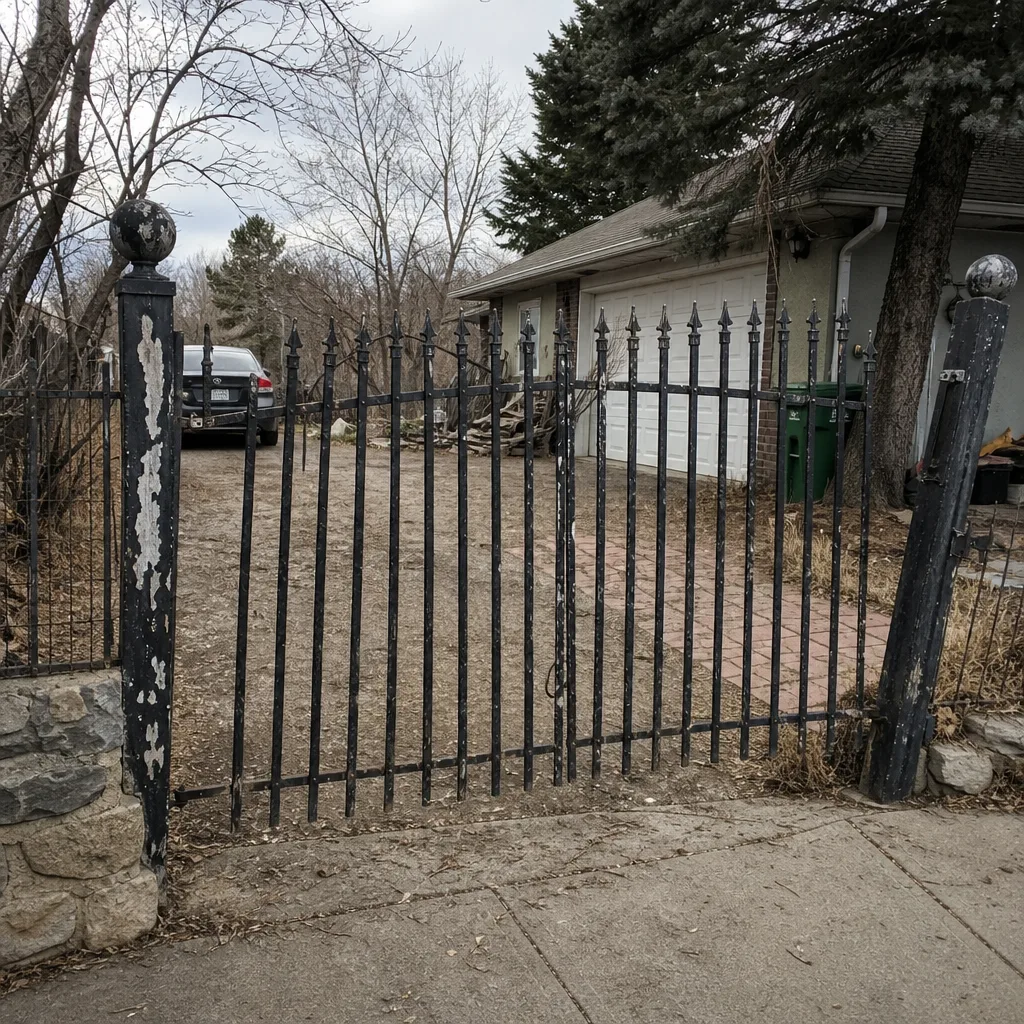 Before
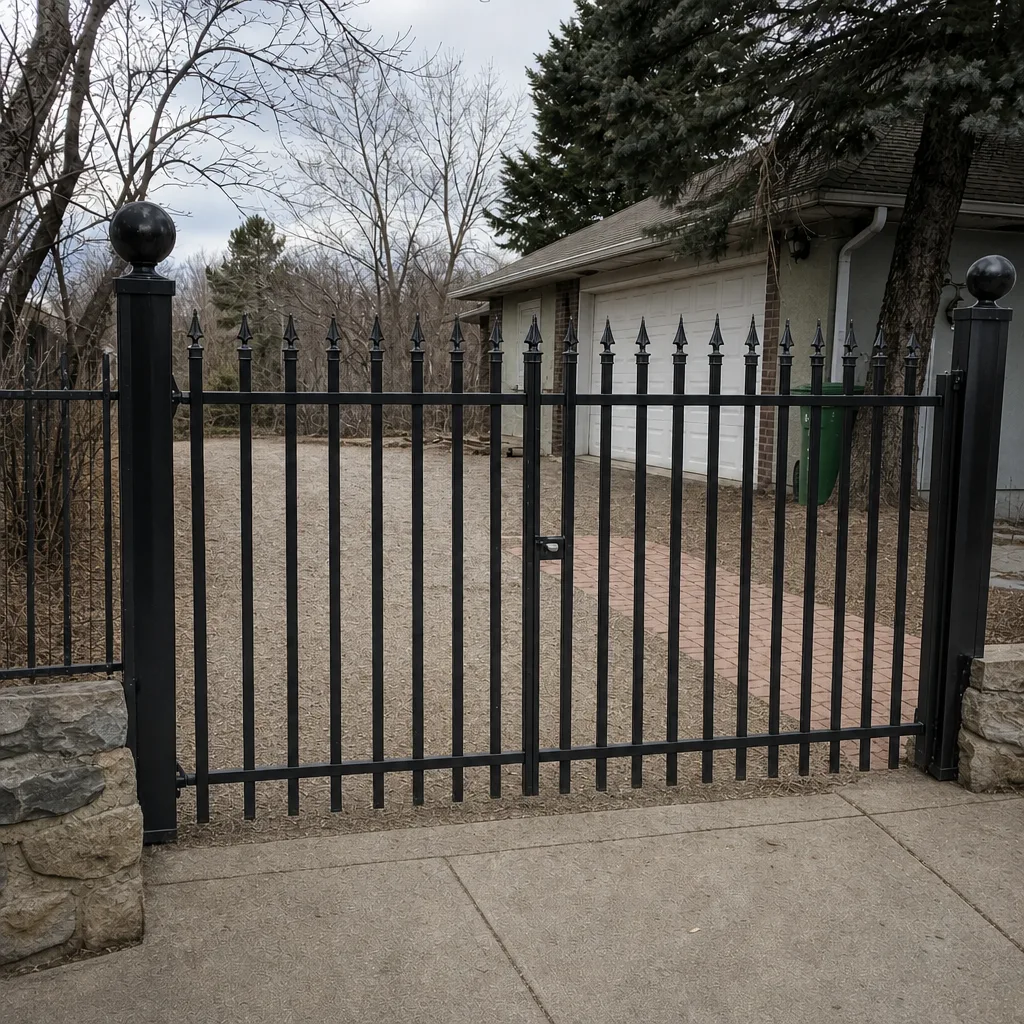 After
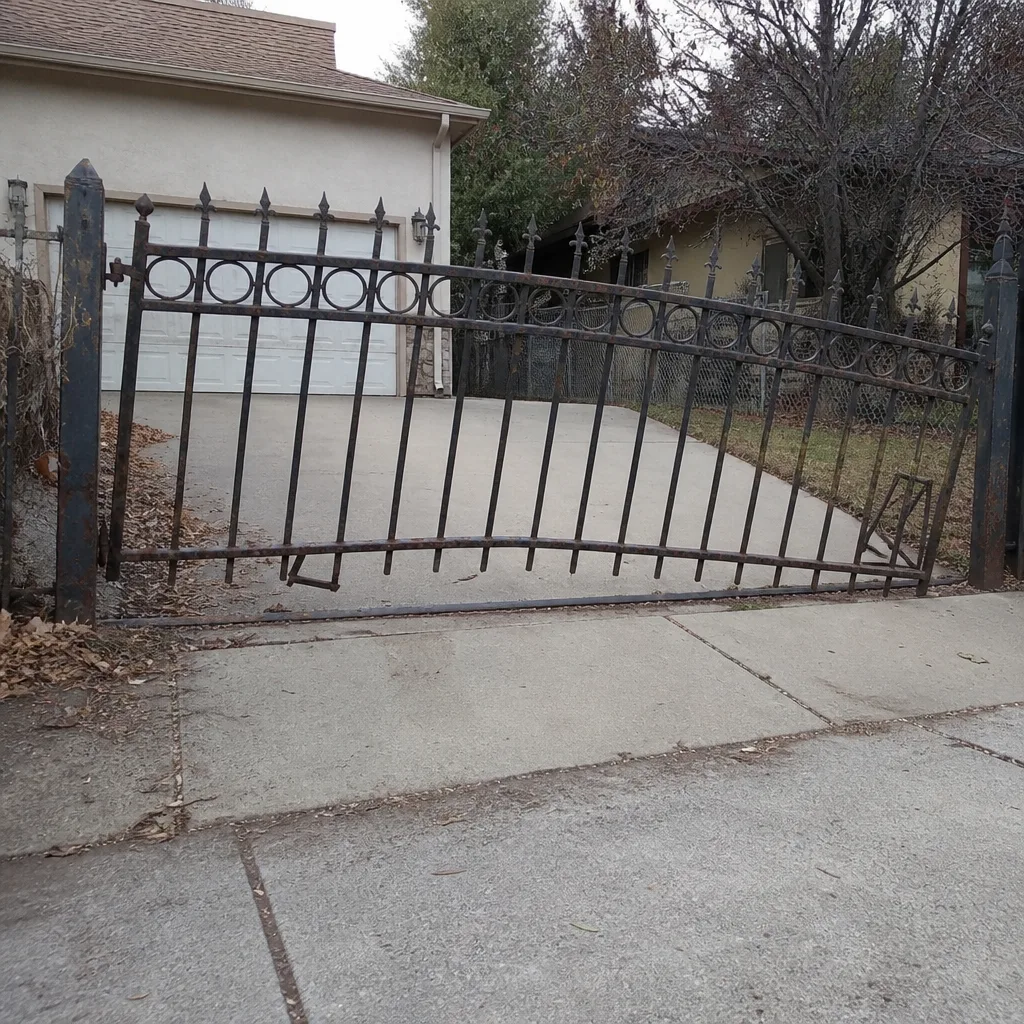 Before
 After
 Before
 After
When to Call a Professional
Some tasks are owner-level: visual checks, sensor tests, keeping the travel path clear. Others belong with a specialist. Call a professional when the gate stops or reverses at random, when the operator strains or hums without moving, when a safety sensor won’t trigger or triggers on its own, when you hear grinding from the drive gear, or when the control board shows any sign of heat or moisture damage. Electrical work inside the operator, wiring repair, and access-control diagnosis all carry real risk – the components hold dangerous voltage and heavy gate panels can cause serious injury, so these aren’t do-it-yourself territory. Gate Repair Arvada offers free estimates in Arvada – call (844) 761-1390. We answer 24/7. Fast dispatch from 7am to 7pm, Sunday through Friday, and closed Saturday.
Frequently Asked Questions
A residential gate usually needs a pre-winter lubrication and a post-winter inspection each year, plus a deeper cycle-based check around 5,000 cycles. A high-traffic commercial or multi-unit gate with 40 or more daily cycles needs service far more often because it reaches those cycle milestones quickly. Match the interval to usage, not the calendar.
Use a lubricant rated to stay fluid at the coldest temperatures your gate will see – in Arvada that means cold-rated products, not warm-climate greases. Match the product to the component: chain-specific lubricant for chain drives, the operator maker’s specification for belts, and a lighter cold-rated lubricant for rollers and hinges. The right product keeps the motor from working harder than it should in the cold.
The most common cause is a warm-climate lubricant that thickened below freezing and dragged the motor. Cold also stiffens a manual release and tightens hardware. A pre-winter service with the correct lubricant is the way to prevent it. If your gate has already stalled in the cold, call us for an assessment rather than forcing it and risking motor damage.
Commercial and multi-tenant gates need a schedule anchored to cycle count first. That means frequent drive gear inspection, hinge re-torque, and safety sensor and loop detector checks, all logged per gate so histories don’t get mixed. Our technicians have up to experience with commercial-grade systems and can build the interval around your property’s actual traffic.
Owner-level tasks like visual checks, sensor tests, and clearing the travel path are fine to do yourself. Anything involving the operator’s internal wiring, the control board, or the motor belongs with a trained professional – those components carry dangerous voltage, and heavy gate panels and moving parts can cause serious injury. When in doubt, have it checked.
Yes. A clear maintenance record helps a technician diagnose faster and is useful for warranty claims. Our Gate Repair Arvada team works on your brand, whether that’s FAAC, BFT, Linear, Viking, or another system, and repair-first is our approach – we find the precise failure rather than defaulting to a full replacement. Call (844) 761-1390 for a free estimate.
The Bottom Line
A gate maintenance schedule built on a calendar misses what actually wears a gate out. Track cycles, time the tasks to Arvada’s seasonal stress events, use cold-rated lubricants matched to each component, and keep a log that protects you and speeds the next repair. Residential gates can coast on the seasonal rhythm while commercial gates need a cycle-driven plan. Do the monthly checks yourself, and bring in a specialist for the operator, control board, and anything inside the motor. Done right, the schedule keeps the gate reliable through every season Arvada throws at it.
Call (844) 761-1390 for a free estimate. We answer 24/7. Fast dispatch from 7am to 7pm, Sunday through Friday. Electric gate repair is a specialty, not a side service, and we handle residential and commercial systems from the motor to the control board. Whether your gate needs a scheduled maintenance visit or an emergency repair, our technicians have up to experience and we work on your brand.
Written by the team at Gate Repair Arvada.